Wellness travel is no longer limited to luxury spas, meditation retreats, or relaxing beside a swimming pool. For many modern travelers, true wellness means stepping away from busy routines, spending time in nature, moving the body, breathing clean mountain air, and returning home feeling refreshed.
Nepal offers a natural setting for this kind of travel. Home to the Himalayas, peaceful mountain villages, lush forests, rivers, lakes, and diverse landscapes, Nepal provides countless opportunities to combine travel with physical and mental well-being. A morning walk through a quiet forest, a day of trekking through the mountains, or simply watching the sunrise over the Himalayas can become a powerful way to slow down and reconnect with yourself.
Wellness travel in Nepal is particularly appealing to people who want an active escape rather than a traditional holiday. You can hike through spectacular landscapes, explore peaceful rural communities, spend time around sacred sites, and enjoy the simple rhythm of mountain life.
For travelers looking to combine adventure with rejuvenation, Nepal offers an experience where wellness naturally becomes part of the journey.
1. Why Nepal Is Ideal for Wellness Travel
Nepal's greatest wellness asset is its natural environment. The country rises from subtropical lowlands to some of the highest mountains on Earth, creating an extraordinary variety of landscapes within a relatively small area.
This diversity allows travelers to choose experiences that match their interests and fitness levels. You can enjoy gentle nature walks around Kathmandu Valley, hike through forested hills, explore lakeside trails, or take on longer Himalayan treks.
Being surrounded by nature can also provide a welcome break from screen-heavy lifestyles and crowded cities. Instead of spending the day moving between meetings and notifications, travelers can spend their time walking, observing landscapes, meeting local people, and enjoying quieter surroundings.
The combination of movement, fresh air, natural scenery, and a slower pace makes Nepal particularly suitable for travelers seeking a more meaningful form of relaxation.
2. Trekking as a Form of Outdoor Wellness
Trekking is one of the best ways to experience wellness in Nepal. Unlike a conventional workout, trekking combines physical activity with exploration and natural immersion.
Walking for several hours through mountain landscapes can improve endurance and strength while providing an opportunity to disconnect from everyday distractions. The experience also encourages a slower rhythm. You walk, rest, drink water, observe the scenery, and continue at a comfortable pace.
The benefits are not limited to physical fitness. Spending extended periods outdoors can create space for reflection and reduce the feeling of being constantly connected to work and technology.
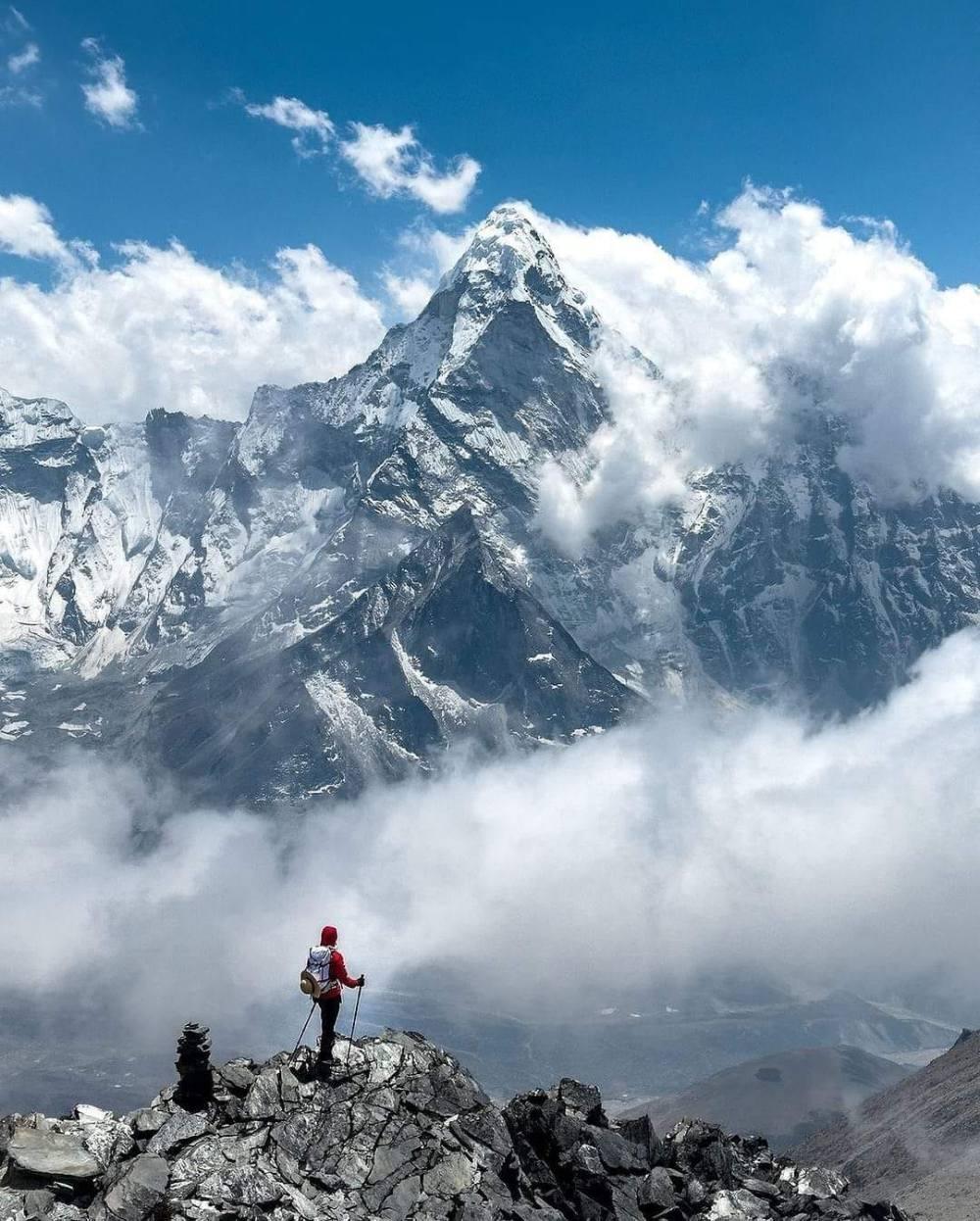
Nepal has trekking routes for different experience levels. Beginners can choose shorter and lower-altitude routes, while experienced hikers can take on longer Himalayan adventures. The Everest Base Camp Trek, for example, combines days of active walking with spectacular mountain scenery, traditional Sherpa villages, peaceful valleys, and time spent surrounded by the Himalayas.
3. Walk Through Nepal's Forests and Hills
Wellness does not always require reaching a high Himalayan pass. Some of Nepal's most enjoyable outdoor experiences take place in its lower hills and forests.
Trails through rhododendron forests, pine-covered slopes, terraced farmland, and traditional villages offer a peaceful alternative to busy urban environments. The sound of birds, flowing streams, and rustling leaves creates a natural atmosphere that encourages travelers to slow down.
Day hikes around the Kathmandu Valley are a convenient option for travelers who do not have time for a multi-day trek. Routes around places such as Shivapuri, Nagarkot, and Phulchowki offer opportunities to walk through nature while remaining relatively close to the capital.
These shorter experiences can be especially suitable for travelers who want outdoor wellness without committing to a demanding Himalayan expedition.
4. Experience the Wellness of Mountain Air
One of the simplest pleasures of traveling in Nepal is breathing fresh mountain air away from busy roads and crowded cities.
As you move into quieter rural areas, the environment changes dramatically. Traffic noise is replaced by flowing rivers, birdsong, wind through trees, and the sounds of village life.
For many travelers, this change of environment is itself refreshing. Walking outdoors encourages deeper breathing and regular movement, while expansive mountain views provide a visual break from the confined spaces of everyday life.
Destinations such as Pokhara are particularly attractive for wellness-focused travelers because they combine access to nature with comfortable accommodation and a relaxed atmosphere.
5. Find Balance Around Pokhara
Pokhara is one of Nepal's most popular destinations for travelers seeking a balance between adventure and relaxation.
The city sits beside Phewa Lake and offers spectacular views of the Annapurna range and surrounding hills. Travelers can start their morning with a peaceful lakeside walk, enjoy a gentle hike, explore nearby villages, or simply spend time enjoying the natural surroundings.
The area also provides access to several trekking and hiking routes. This makes it easy to combine active days with slower periods of rest.
For wellness travelers, this flexibility is valuable. You do not have to follow a packed schedule. You can choose when to hike, when to explore, and when to simply sit beside the lake and enjoy the scenery.
6. Experience Sunrise and Sunset in the Mountains
Wellness travel is often about creating moments that encourage you to slow down and appreciate where you are.
Few experiences in Nepal achieve this better than watching sunrise or sunset over the Himalayas.
Early morning hikes to viewpoints such as Poon Hill or other hilltop destinations can reward travelers with spectacular views as the first sunlight reaches the mountain peaks. The experience requires physical effort, but the quiet atmosphere and changing colors of the landscape make the journey memorable.
You do not necessarily need to undertake a demanding trek to experience this. Many destinations around Nepal offer accessible viewpoints where travelers can watch the mountains change color throughout the day.
These simple moments can become some of the most memorable parts of a wellness-focused trip.
7. Connect with Nature Instead of Technology
Modern travel does not always mean disconnecting. Smartphones, social media, emails, and constant notifications often follow travelers wherever they go.
Nepal's mountain environment provides a natural opportunity to reduce screen time.
During a trek, you may spend hours walking without checking your phone. Instead, your attention shifts toward the trail, mountains, forests, villages, and people around you.
You do not need to completely disconnect. Simply creating periods without notifications can make the journey feel more present and meaningful.
Try keeping your phone away during meals, morning walks, or scenic viewpoints. Use it when necessary, but allow yourself time to experience the destination without viewing it through a screen.
8. Discover the Wellness of Slow Travel
Wellness travel and slow travel naturally complement each other.
Rather than trying to see as many places as possible, slow travel encourages you to spend more time in fewer destinations. This approach works particularly well in Nepal because many experiences are found in the journey itself.
Walking between villages, talking with local residents, enjoying traditional meals, and observing daily life can be more rewarding than rushing from one attraction to another.
A slower itinerary also provides more opportunities for rest. You can spend an extra morning enjoying a mountain view, take a longer lunch break, or choose a gentle walk instead of another demanding activity.
Travel does not always need to be about doing more. Sometimes, doing less allows you to experience more.
9. Choose Outdoor Activities Beyond Trekking
Trekking is only one part of Nepal's outdoor wellness experience.
Depending on your interests, you can also enjoy:
- Mountain biking through rural trails and hill roads
- Kayaking on Nepal's rivers and lakes
- Nature walks through forests and protected areas
- Birdwatching in diverse natural habitats
- Rafting for an active and refreshing experience
- Village walks through traditional communities
- Photography walks through Himalayan landscapes
- Camping in peaceful natural surroundings
These activities allow travelers to remain active while experiencing different sides of Nepal's landscape.
The best activity is ultimately the one that you enjoy and can comfortably manage.
10. Make Wellness Part of Your Trekking Routine
You do not need to create a complicated wellness program during a trek. Simple habits can make a significant difference.
Start each morning slowly. Drink enough water, eat a nutritious breakfast, and prepare your body before walking. Maintain a comfortable pace rather than trying to compete with other trekkers.
Take regular breaks and use them to appreciate your surroundings rather than immediately reaching for your phone. At the end of the day, allow your body enough time to recover.
Good sleep, proper hydration, nutritious food, and appropriate pacing are essential during high-altitude trekking.
Listening to your body is particularly important. If you feel unusually tired or experience symptoms related to altitude, communicate with your guide and take appropriate action instead of pushing through discomfort.
11. Support Your Well-Being Through Local Experiences
Wellness travel is not only about landscapes. Meaningful interactions can also contribute to a rewarding travel experience.
Spend time learning about local communities and traditions. Eat locally prepared food, visit villages, speak with residents, and learn about the culture of the places you visit.
These experiences create a stronger connection with the destination and make travel feel less like sightseeing and more like participation.
Supporting locally owned accommodations, restaurants, guides, and small businesses can also help tourism benefits reach mountain communities.
Responsible travel adds another dimension to wellness because knowing that your journey supports local people can make the experience more meaningful.
12. Plan a Wellness-Focused Trip to Nepal
A wellness-focused trip does not need to follow a strict formula. The best itinerary depends on your interests, fitness level, available time, and preferred pace.
A traveler with limited time might combine Kathmandu sightseeing with a short nature hike and several relaxing days in Pokhara.
Someone seeking a more active experience could choose a multi-day trek with plenty of time for acclimatization and rest.
The key is to avoid overloading your itinerary. Give yourself enough time to enjoy each destination instead of constantly worrying about the next activity.
When planning your trip, consider the season, altitude, walking difficulty, accommodation, transportation, and recovery time. A well-designed itinerary should challenge you without leaving you exhausted.
Practical Tips for Wellness Travel in Nepal
A few simple habits can make your wellness journey more enjoyable:
- Choose activities that match your fitness level. Wellness should leave you refreshed, not completely exhausted.
- Allow enough rest time. Avoid filling every day with activities.
- Stay hydrated. Carry reusable water bottles and follow safe drinking-water practices.
- Eat well. Choose balanced meals that provide enough energy for outdoor activities.
- Protect yourself from the sun. Use sunscreen, sunglasses, and appropriate clothing.
- Walk at your own pace. There is no need to compete with other travelers.
- Limit unnecessary screen time. Give yourself opportunities to experience the destination directly.
- Respect local communities. Follow cultural customs and ask permission before photographing people.
- Travel responsibly. Minimize waste and avoid damaging natural environments.
- Listen to your body. Rest when you need to and seek help when necessary.
- Include buffer days. Extra time can make your itinerary less stressful if transportation or weather causes delays.
- Choose a suitable trekking route. The best trek is one that fits your ability and interests.
Conclusion
Wellness travel in Nepal offers something that many modern travelers are searching for: the opportunity to slow down, move more, spend time outdoors, and reconnect with nature.
The country's mountains, forests, lakes, villages, and peaceful trails create a natural environment for active and restorative travel. You can spend your days trekking through spectacular landscapes, walking through quiet forests, watching Himalayan sunrises, exploring rural communities, or simply enjoying the peaceful rhythm of mountain life.
What makes Nepal particularly appealing is that wellness does not have to be a separate activity. It can become part of the entire journey. Every walk, viewpoint, village experience, and quiet morning can contribute to a more balanced travel experience.
Whether you choose a short nature escape, an active trekking adventure, or a longer journey through the Himalayas, Nepal gives you the freedom to travel at your own pace.
Sometimes, the best way to recharge is not to stop moving completely. It is to move with purpose, breathe fresh air, spend time in nature, and give yourself the space to appreciate the world around you. Nepal offers all of that in one unforgettable destination.