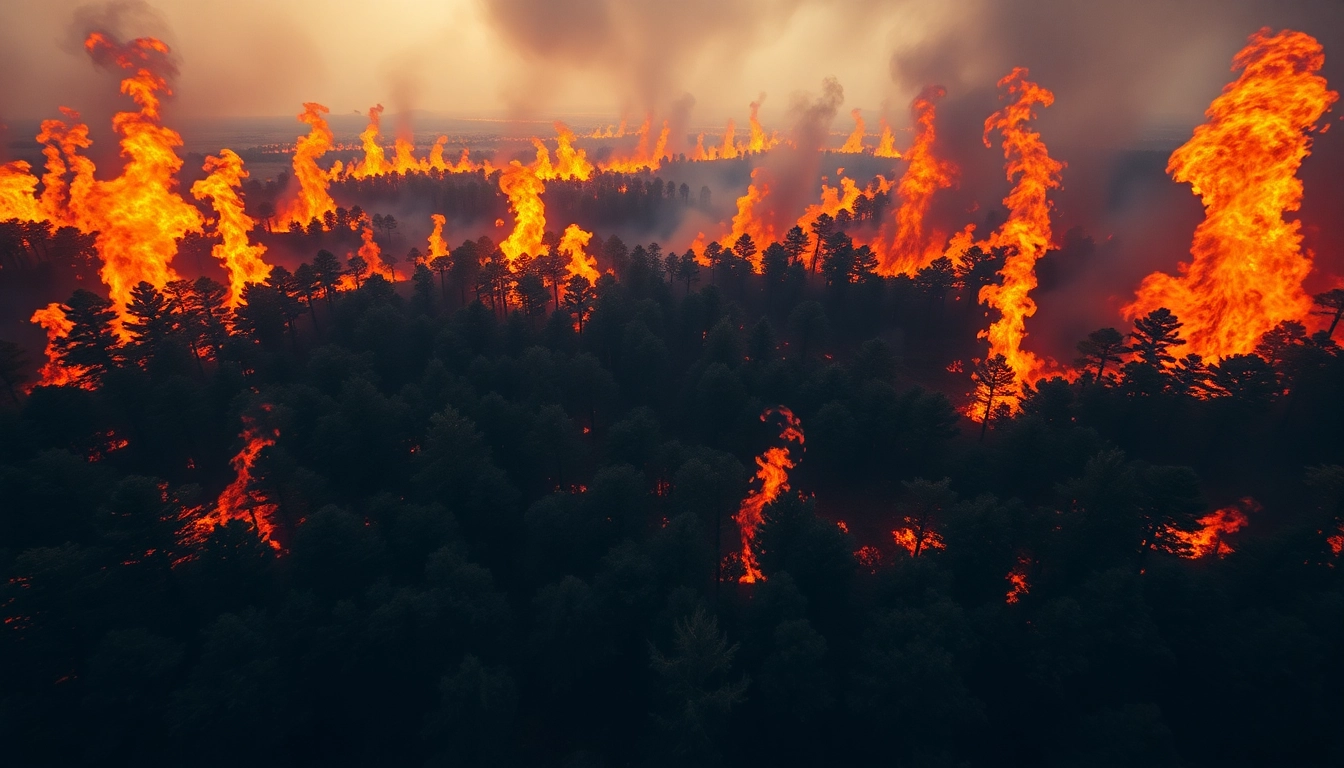
Introduction to Wildfire Events
Wildfire events are a critical phenomenon that impacts ecological systems, human safety, and economic stability across the globe. Understanding Wildfire events is essential for preparedness, response, and mitigation. As climate change exacerbates weather patterns, the frequency and intensity of these wildfires are changing, necessitating a greater emphasis on fire management practices.
Definition of Wildfire Events
A wildfire event is defined as an uncontrolled exterior fire that spreads rapidly across vegetation, forests, or grasslands. These fires require active suppression to protect life, property, and the environment. Wildfires can start as minor blazes from natural sources such as lightning or human activities, including campfires and discarded cigarettes.
Historical Overview and Trends
Historically, wildfires played a natural role in the ecosystem, promoting forest regeneration and serving as a nutrient recycling mechanism. However, in recent decades, the rise in urbanization near wildland areas has escalated the risk and impact of wildfires. Studies show an upward trend in the occurrence of catastrophic wildfire events attributed to climate change, habitat management issues, and increased human activity.
The Science Behind Wildfire Events
The behavior and spread of wildfires are influenced by various factors—topography, vegetation, weather conditions, and human actions. A comprehensive understanding of fire dynamics, including fuel moisture content, wind patterns, and temperature, helps predict wildfire behavior and develop effective suppression techniques.
Causes of Wildfire Events
Natural Causes of Wildfire Events
Lightning strikes are one of the primary natural causes of wildfires, igniting tinder-dry vegetation, particularly during prolonged dry spells. Other natural causes include volcanic eruptions and spontaneous combustion in extremely dry conditions. These natural ignitions can spread rapidly under conducive weather conditions.
Human Activities and Wildfire Events
Human activities account for nearly 85% of wildfires in many regions. Campfires left unattended, discarded cigarettes, agricultural burns gone astray, and even fireworks can spark wildfires. Additionally, arson is a significant contributor to wildfire events, necessitating increased awareness and community vigilance.
Climate Change Impact on Wildfire Events
There is a notable correlation between climate change and increased wildfire incidents. Rising temperatures and prolonged drought conditions create ideal scenarios for fire spread and intensity. Studies confirm that climate change has influenced the seasonality and severity of wildfire events, making it essential for societies to adapt their fire management strategies effectively.
Common Effects of Wildfire Events
Environmental Consequences
Wildfires significantly disrupt ecosystems, leading to habitat destruction, loss of biodiversity, and soil degradation. The release of carbon dioxide during a wildfire event contributes to greenhouse gas emissions, further exacerbating climate change. Recovery of ecosystems can take decades, depending on the severity of the fire.
Economic Impact of Wildfire Events
The economic ramifications of wildfires are profound, impacting local economies and national budgets. The costs associated with fire suppression efforts, property damage, and recovery measures can be staggering. Moreover, air quality deteriorates, rendering areas unattractive for tourism and increasing healthcare costs due to respiratory issues linked to smoke inhalation.
Health Risks Associated with Wildfire Events
Prolonged exposure to wildfire smoke presents substantial health risks, especially for individuals with pre-existing conditions such as asthma and cardiovascular diseases. Respiratory distress, skin irritation, and psychological effects, including trauma and anxiety, are prevalent during and after wildfire events. Public health infrastructure must be prepared to address these challenges effectively.
Prevention Strategies for Wildfire Events
Community Engagement and Wildfire Awareness
Engaging communities in wildfire preparedness initiatives is crucial. Educational campaigns informing residents about fire risks, safe practices, and evacuation plans can significantly reduce the impacts of wildfires. Creating defensible space around properties enhances safety and individual households' resilience to wildfire events.
Fire Management Techniques
Various fire management techniques, including controlled burns and proper forest maintenance, can reduce fuel loads and lessen the severity of wildfires. Implementing strategic fire breaks and improving access for firefighting resources are also essential. Integrating science-based land management practices fosters an ecosystem more resistant to wildfires.
Policy and Regulation Framework
Comprehensive legislation regarding land use, forestry practices, and community development must be prioritized to mitigate wildfire risks. Policymakers should focus on integrating climate adaptation strategies in local planning to address both wildfires and broader environmental challenges. Effective communication among stakeholders, including local governments and emergency services, is key.
Future Outlook on Wildfire Events
Current Research and Innovations
Advancements in technology, such as satellite monitoring and predictive modeling, are enhancing the understanding and management of wildfire incidents. Current research also emphasizes restoring natural fire regimes as a method of ecosystem management and resilience building. Enhanced data collection leads to better-informed decision-making on fire management.
Adapting to Fire-Prone Environments
As urban areas expand into fire-prone regions, adapting infrastructure and community designs to mitigate risk is essential. Implementing fire-resistant building materials, establishing evacuation routes, and conducting simulation drills ensures that communities are prepared for inevitable wildfire events. Communities must become proactive in employing strategies to live alongside wildfires.
Preparedness Plan for Wildfire Events
A well-structured preparedness plan is vital for individuals and communities. Personal plans should include emergency contacts, evacuation routes, and a list of essential supplies. Community plans must incorporate resource allocation for emergency services and incorporate public education as a primary preventive measure.
FAQs About Wildfire Events
What is a wildfire event?
A wildfire event is an uncontrolled fire that spreads through vegetation, forests, and grasslands, requiring active suppression to protect lives and property.
What are the largest recent wildfire events?
Large recent wildfire events include those that have devastated forests in California, Australia, and the Amazon rainforest, resulting in severe ecological and economic impact.
How can I prepare for a wildfire event?
Preparation includes creating a defensible space around your home, having an evacuation plan, keeping emergency supplies ready, and staying informed about local fire risks.
What role does vegetation play in wildfire events?
Vegetation acts as fuel for wildfires. Dry, thick foliage can accelerate fire spread, while healthy, managed landscapes can reduce fire intensity and improve ecosystem resilience.
How do wildfire events affect air quality?
Wildfire events release smoke and particulate matter that severely degrade air quality, affecting respiratory health and often leading to advisories for vulnerable populations.