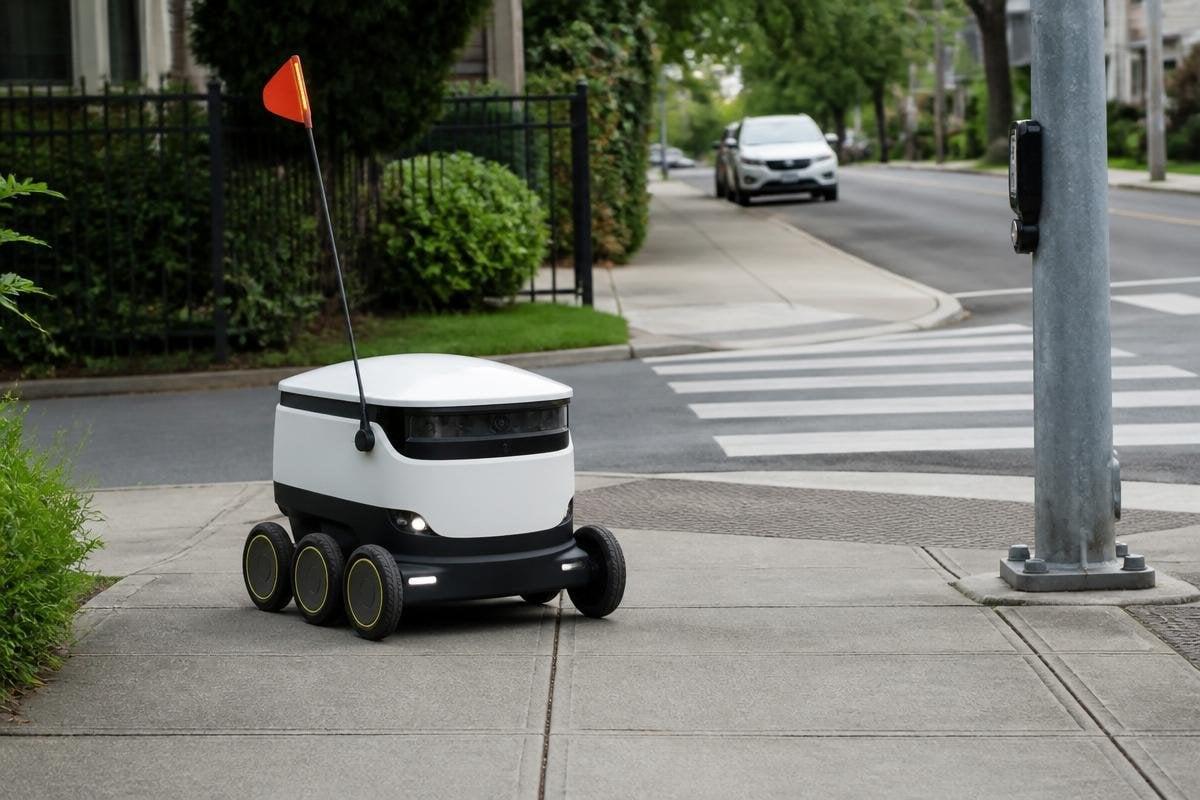
The Concept of Human Interface with AI
Defining Human Interface with AI
As technology continues to evolve, the Human Interface with AI represents a crucial convergence between human capabilities and artificial intelligence systems. This concept encompasses the design, development, and interaction methodologies that facilitate effective communication between humans and AI technologies. By focusing on usability, intuitive design, and human-centric approaches, we aim to create a seamless relationship that enhances user experience and augments human potential. It’s essential for AI systems to be user-friendly, trustworthy, and beneficial, paving the way for a future where humans and machines can collaborate effectively. For a deeper dive into this growing field, you can refer to Human Interface with AI.
The Importance of Human-AI Collaboration
Human-AI collaboration is pivotal in various sectors, enhancing decision-making processes and improving productivity. As AI systems analyze vast amounts of data far more rapidly than humans, they provide insights that humans may otherwise overlook. This collaboration empowers individuals and teams to make better-informed decisions and focus on strategic, high-level tasks rather than mundane, repetitive activities. In work environments, this partnership fosters innovation and creativity, enabling organizations to capitalize on AI’s strengths while retaining the invaluable human touch.
Historical Evolution of Human Interface with AI
The historical evolution of Human Interface with AI can be traced back to the early days of computing, where simple command-line interfaces paved the way for more sophisticated graphical user interfaces (GUIs). Early AI systems primarily performed single tasks such as data analysis or speech recognition, lacking the ability to engage meaningfully with users. Over the years, advancements in machine learning, natural language processing, and interaction design have led to more conversational interfaces and smarter applications, empowering users to interact seamlessly with AI. Today, we see the emergence of multimodal systems that combine voice, text, and visuals, enhancing user engagement and interaction quality.
Challenges in Human Interface with AI Design
User Experience Considerations
Designing an effective Human Interface with AI poses unique challenges, particularly in user experience (UX). A poorly designed interface can lead to user frustration, decreased productivity, and even mistrust in AI systems. Designers must prioritize clarity and intuitiveness, ensuring users can navigate interfaces without confusion. Implementing user feedback throughout the design process is critical; iterating designs based on real user experiences helps identify pain points and areas for improvement, ensuring the final product meets user needs.
Addressing Ethical Concerns
Ethical considerations in Human Interface with AI are fundamental. As AI systems increasingly influence decision-making across sectors, ensuring that they operate transparently and without bias is paramount. Poorly designed interfaces can perpetuate stereotypes or lead to unintended discrimination. Developers must embed fairness, accountability, and safety into the design process. Engaging diverse user groups during development can also aid in identifying ethical pitfalls and ensuring that AI systems are beneficial for all users.
Overcoming Technical Limitations
Technical limitations can hinder the effectiveness of Human Interface with AI. Challenges like inadequate data quality, limited computing power, and integration complexities can all impact system performance. To overcome these challenges, it is crucial to employ a robust data management strategy and continuously invest in technological upgrades. Employing cloud-based architectures can enhance scalability and flexibility, and utilizing APIs can facilitate better integration of diverse AI functionalities into existing systems.
Best Practices for Effective Human Interface with AI
Designing for Usability
Creating a user-centric design is fundamental when developing the Human Interface with AI. Usability testing should be an integral part of the design process to validate that interfaces meet user needs. Utilizing personas and user journey mapping can guide the design, ensuring that the user’s context and goals are prioritized. Moreover, maintaining a consistent design language throughout the interface helps users familiarize themselves with AI capabilities, enhancing their comfort and confidence when interacting with the technology.
Incorporating Accessibility Features
Accessibility in Human Interface with AI is not just a legal requirement but a moral imperative. Ensuring that AI systems are usable by individuals with diverse abilities can significantly widen the user base and promote inclusivity. This involves implementing features like screen readers, speech recognition, and adaptative interfaces that respond to user needs. Ongoing user testing with differently-abled users will help refine these features, ensuring the system is genuinely accessible to everyone.
Ensuring Trust and Transparency
Trust is vital for successful Human Interface with AI. Users must feel confident that the system operates transparently and is not manipulative or misleading. Providing clear explanations of how AI arrives at its conclusions can alleviate concerns about opaqueness. Implementing user-friendly feedback mechanisms, where users can report inaccuracies or express concerns, also fosters a relationship built on trust and accountability.
Case Studies of Successful Human Interface with AI Implementations
Healthcare Sector Innovations
The healthcare sector has notably benefited from advanced Human Interface with AI solutions. For example, AI-assisted diagnostic tools analyze patient data to provide doctors with evidence-based recommendations. These systems boast user-friendly dashboards that present complex data in digestible formats, allowing healthcare professionals to make informed decisions efficiently. Moreover, AI-powered chatbots handle patient inquiries, guiding them through appointment scheduling and basic health advice, enhancing overall patient experience.
Applications in Education
In education, AI interfaces support personalized learning experiences tailored to students' unique needs. Intelligent tutoring systems analyze individual learning patterns and adapt content accordingly, offering tailored materials to improve understanding and retention. Moreover, platforms using AI to gather students' feedback can iterate courses and address learning gaps, ensuring a responsive educational environment.
Corporate Use Cases
Within corporate environments, Human Interface with AI enhances operational efficiency. AI chatbots field customer inquiries, while machine learning algorithms assist in analyzing market trends. User-friendly interfaces display real-time analytics dashboards, enabling data-driven decision-making. Furthermore, AI can streamline HR processes, such as automating tedious recruitment tasks, creating a more efficient workflow and allowing HR personnel to focus on strategic employee engagement.
Future Trends in Human Interface with AI
The Rise of Emotion-Aware Systems
As AI technology advances, the emergence of emotion-aware systems represents an exciting frontier. These AI interfaces can detect user emotions through voice, facial expressions, and physiological responses, adapting interactions accordingly. By acknowledging emotional states, AI systems can provide empathetic responses, significantly improving user experience and engagement. This capability can transform customer service interactions and therapeutic applications, shaping a compassionate connection between humans and AI.
AI Personalization Techniques
Personalization, powered by AI, will continue to shape future interfaces. As machine learning models enhance their understanding of user preferences and behaviors, systems will offer increasingly tailored experiences. This personalization extends beyond simple recommendations to encompass entire user interfaces that adapt and evolve in real-time to match user requirements, enhancing satisfaction and loyalty.
Predictions for the Next Decade
The coming decade is set to see significant advancements in Human Interface with AI, driven by breakthroughs in computation power and data analysis methodologies. We can expect interfaces that integrate natural gestures and voice commands seamlessly, making interactions more fluid and natural. Additionally, the ethical considerations surrounding AI will grow, with developers focusing on creating systems that prioritize human values and societal needs, ensuring a more equitable AI landscape.
Frequently Asked Questions
What is the human interaction with AI?
Human-AI interaction focuses on enhancing human capabilities through effective collaboration with AI systems, fostering positive relationships and trust between humans and AI.
How does AI influence user interfaces?
AI enables the development of dynamic, personalized user interfaces that adapt based on user behavior, enhancing the overall user experience by making interactions more intuitive.
What are the benefits of Human Interface with AI?
Benefits include improved efficiency, enhanced decision-making, increased accessibility, and the ability to process vast amounts of data for better insights and outcomes.
What industries benefit from Human Interface with AI?
Industries such as healthcare, education, finance, and customer service are leveraging the Human Interface with AI to enhance user engagement, efficiency, and overall satisfaction.
What future trends should we expect in Human Interface with AI?
Anticipated trends include more personalized experiences, emotion-aware AI systems, and improved interaction modalities as technology continues to evolve.