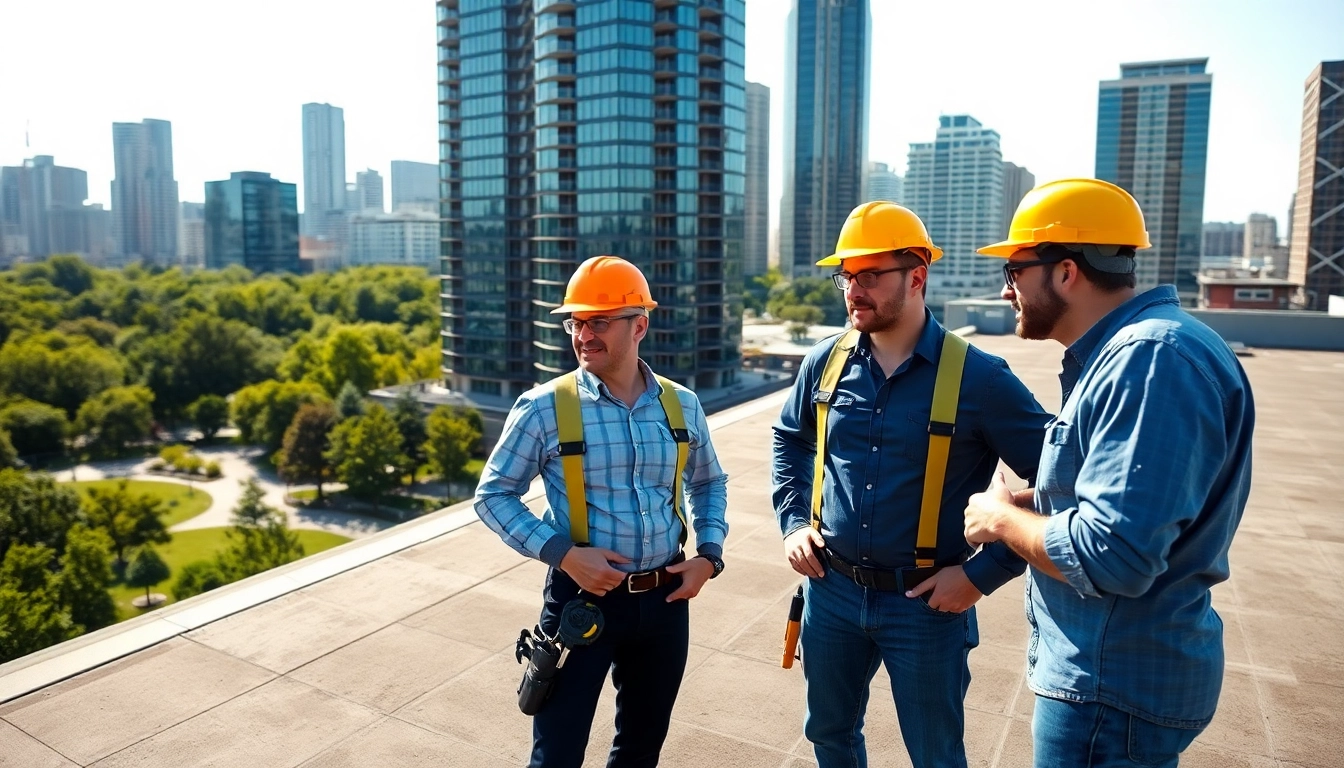
Understanding the Importance of Commercial Roofing Services
When it comes to maintaining a business’s structural integrity, the role of the roof cannot be overstated. The roof serves as a critical barrier against environmental elements, while also contributing to the aesthetic and functionality of a building. Engaging professional commercial roofing services is essential for ensuring that a business can withstand the challenges posed by weather, wear, and potential leaks. Understanding the multifaceted benefits of commercial roofing services is the first step in making informed decisions for your business’s upkeep and investment.
Why Choose Professional Commercial Roofing Services?
Choosing professional commercial roofing services is not just about getting the job done; it's about ensuring quality, durability, and safety. Licensed roofing companies employ trained professionals who have extensive knowledge of industry standards and best practices. They can help businesses choose the most appropriate materials, designs, and systems for their specific needs. Additionally, utilizing professional services can provide a warranty that protects your investment, ensuring that your roofing system performs optimally for years.
Types of Commercial Roofing Services Available
The landscape of commercial roofing is diverse, accommodating various business needs and building structures. Common types of roofing services include:
- Flat Roofing: Ideal for commercial buildings, flat roofs can be constructed from materials such as TPO, EPDM, and modified bitumen.
- Metal Roofing: Known for its durability and longevity, metal roofs are available in various styles and finishes, adding both function and flair.
- Tiled Roofing: Common in commercial settings, tile roofing can provide a layer of insulation and unique aesthetic quality.
- Roof Coatings: These protect existing roofs from UV rays and weather damage, extending the life of the roofing system.
Benefits of Regular Maintenance
Regular maintenance of commercial roofing systems is crucial for prolonging their lifespan and ensuring safety. Benefits include:
- Early Detection of Problems: Routine inspections can identify minor issues before they escalate into costly repairs.
- Improved Energy Efficiency: Well-maintained roofs are more energy-efficient, helping businesses reduce operational costs.
- Extended Roof Lifespan: Regular maintenance can significantly enhance the longevity of your roofing system, protecting your investment.
Key Features of Quality Commercial Roofing Services
When seeking commercial roofing services, it’s essential to understand the key features that differentiate high-quality services from the rest. These characteristics ensure that your investment into roofing services yields long-term benefits.
Durability and Longevity Considerations
Durability is one of the most critical factors to consider when selecting a roofing system. High-quality roofing materials are designed to withstand various conditions, including extreme weather, temperature fluctuations, and UV radiation. Selecting materials that offer proven durability will reduce maintenance needs and extend the life of the roof.
Energy Efficiency Approaches
Energy-efficient roofing solutions are becoming increasingly important, not only for compliance with regulations but also for cost savings. Modern commercial roofing systems can incorporate reflective materials or green roofs that contribute to energy efficiency. Implementing such features can lead to substantial reductions in heating and cooling costs, providing a rapid return on investment.
Customization Options for Businesses
Every business has unique requirements that can dictate the type of roofing system ideal for them. Customization options may include material choices, color selections, and additional features such as skylights or ventilation systems. A personalized approach ensures that the roofing solution matches your business's specific operational needs and aesthetic preferences.
How to Select the Right Provider for Commercial Roofing Services
Choosing the right provider for commercial roofing services can seem daunting, but a systematic approach can simplify the process. Here are key steps to follow when selecting a roofing contractor.
Evaluating Contractor Experience and Reputation
To ensure quality service, it is essential to evaluate potential contractors based on their experience and reputation. Research their track record in the industry, check for any awards or recognitions, and seek reviews or testimonials from previous clients. High-quality contractors will often have a portfolio of completed projects that demonstrate their capabilities.
Questions to Ask During the Consultation
Asking the right questions during your consultation can provide clarity about what to expect from potential contractors. Key questions include:
- What types of roofing systems do you specialize in?
- Can you provide references from previous clients?
- What is your warranty policy on materials and workmanship?
- How do you handle unexpected repairs or cost overruns?
Comparing Quotes and Service Offerings
After gathering multiple quotes, it’s crucial to compare them thoroughly. Look beyond the price—consider the scope of work, materials proposed, warranty details, and timeline. A lower quote may sometimes indicate inferior materials or rushed services. Ensure that each quote aligns with your needs and expectations.
Common Challenges in Commercial Roofing Services
No roofing project is without its challenges. Being prepared for these can mitigate their impact on your commercial roofing services.
Weather-Related Impact on Roof Performance
Weather conditions can adversely affect roofing systems, leading to damages such as leaks and surface degradation. It is essential to choose materials and designs that can withstand your local climate. Additionally, consider reflective or insulated roofing options that mitigate the impact of temperature changes.
Addressing Unexpected Repairs
Despite thorough inspections, unexpected issues can arise, such as severe leaks or structural damage. Establishing a relationship with a reliable roofing contractor can help quell concerns, as they can efficiently address unforeseen repairs with minimal disruption. Maintaining a maintenance contract can also help mitigate costs associated with emergency repairs.
Understanding Warranty Terms and Conditions
The warranty terms associated with your roofing system can significantly impact its long-term value. It is crucial to read and understand the warranty documentation thoroughly. Common elements to look for include the coverage period, conditions that void the warranty, and support provided for making claims.
Measuring the Success of Commercial Roofing Services
After the implementation of commercial roofing services, evaluating their success is vital to ensure that the objectives were met. Different performance metrics can be monitored to measure effectiveness.
Performance Metrics and Indicators
Key performance indicators (KPIs) can provide insight into the effectiveness of a roofing solution. Metrics to consider include:
- Energy savings post-installation.
- Frequency and costs of maintenance and repairs.
- Durability of materials over time.
Customer Feedback and Satisfaction Surveys
Client feedback can offer invaluable insight into the quality of service received. Implementing satisfaction surveys can help gauge the level of customer happiness with the roofing services. These insights may also highlight areas requiring improvement or adjustments for future projects.
Regular Assessment and Reporting Practices
Conducting regular assessments helps track the performance of the roofing system over time. Recommendations for assessments include periodic inspections to check for damage, efficiency evaluations, and straightforward reporting practices to document findings. This systematic approach fosters proactive maintenance and enhances the longevity of the roofing investment.