Understanding AI Concept Art Generators
In recent years, AI technology has transformed numerous sectors, and the art world is no exception. Artists now have access to powerful tools known as AI concept art generators, which can enhance their creative processes. These innovative platforms enable users to produce artwork from simple text prompts, fundamentally changing the way concepts are visualized and developed. When exploring options, how to use an AI concept art generator can provide comprehensive insights into the best practices and techniques available today.
What is an AI Concept Art Generator?
An AI concept art generator is a digital tool that uses artificial intelligence algorithms to create visual representations based on user-defined criteria. These generators can take a variety of inputs, including text descriptions, sketches, or even other images, and produce artwork that reflects the given input. The resulting art can vary widely, allowing artists to experiment with styles and concepts that they might not have been able to visualize otherwise.
How AI Changes the Art Creation Process
AI tools streamline the artistic workflow by automating time-consuming tasks and providing artists with new ways to conceptualize their ideas. For instance, instead of spending hours manually sketching concepts, an artist can input a brief description and receive multiple variations of artwork in seconds. This not only saves time but also encourages experimentation and creativity, as artists can quickly iterate on ideas without the fear of making mistakes.
Key Features to Look for in AI Tools
- User-Friendly Interface: The platform should be easy to navigate, allowing artists of all skill levels to access its features without extensive training.
- Diverse Output Styles: Look for generators that offer various artistic styles, enabling users to select the aesthetic that best fits their project.
- Customization Options: The ability to fine-tune generated images is crucial, as it allows artists to align outputs more closely with their vision.
- Export Capabilities: Ensure the tool supports high-resolution downloads, enabling artists to use the generated artwork in professional settings.
Getting Started with AI Concept Art Generators
Embarking on the journey to create art using AI requires an understanding of the available tools and their functionalities. Artists should begin by selecting a generator that fits their specific needs and artistic style.
Choosing the Right AI Art Tool for Your Needs
With numerous AI art generators available on the market, it’s important to choose one that aligns with your artistic goals. Research various tools, read user reviews, and consider how each platform's features can enhance your creative process. For example, some tools specialize in realistic imagery, while others may focus on abstract designs.
Basic Steps to Generate Art from Text Prompts
- Define Your Concept: Clearly outline what you want to create. A well-thought-out text prompt will yield better results.
- Select Your AI Tool: Choose a platform that supports your desired style and offers the features you need.
- Input Your Prompt: Enter your description into the generator, ensuring it's detailed enough to guide the AI effectively.
- Review and Refine: Once the artwork is generated, review the output. You may need to adjust your prompt or settings to refine the results.
Common Mistakes to Avoid When Starting
As artists begin using AI tools, they may encounter several pitfalls. One common mistake is providing vague prompts, which can lead to unsatisfactory results. It’s essential to be as specific as possible to guide the AI effectively. Another mistake is neglecting to explore the generator's customization features, which can significantly improve the quality of the output.
Best Practices for Using AI in Concept Art Creation
Integrating AI technology into an artist's workflow can produce remarkable results when done thoughtfully. Here are some best practices to consider.
Integrating AI Tools into Traditional Art Workflows
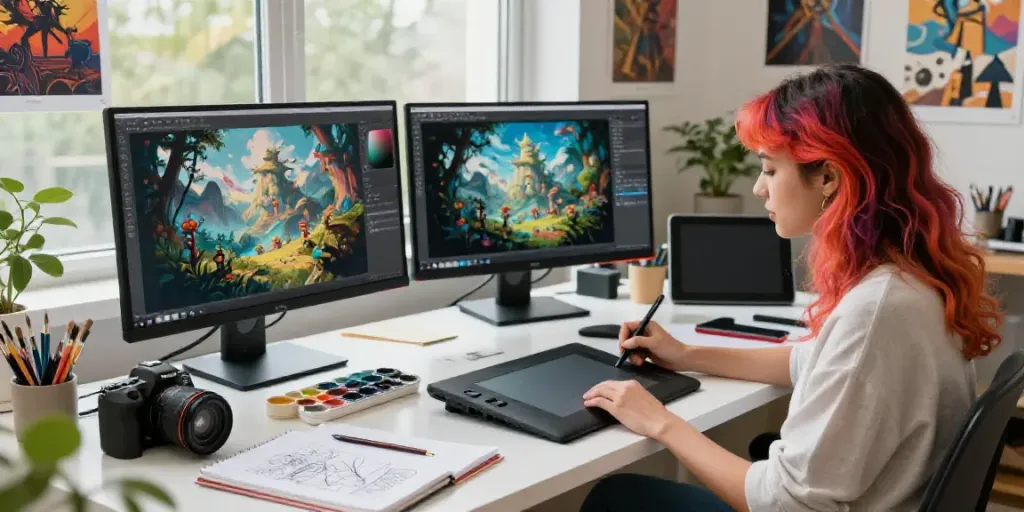
AI should enhance, not replace traditional artistic methods. Combine the strengths of both approaches—use AI to generate initial ideas or concepts and then refine them through manual techniques. This hybrid approach can lead to unique and personal artwork that reflects your style while leveraging AI efficiency.
Balancing AI-Generated Content and Personal Style
While AI tools offer a wealth of possibilities, it’s important to ensure that the artwork retains your personal artistic voice. Regularly review the AI-generated outputs and make intentional adjustments to align them with your style. This balance is crucial for maintaining authenticity in your work.
Ethical Considerations in AI Art Generation
The rise of AI-generated art has sparked debates around originality and copyright. Artists should stay informed about the legal implications of using AI tools and ensure that the artworks produced align with ethical standards within the industry. Understanding these considerations can help in protecting both your rights and those of other creators.
Advanced Techniques for Professional Results
Once artists are comfortable with basic functionalities, they can explore advanced techniques to maximize their output quality.
Using Multiple Prompts for Diverse Outputs
Experiment with different prompts to see how variations can produce unique results. By using multiple related prompts, artists can explore various interpretations of a concept, leading to richer and more diverse art outcomes. This technique encourages creative exploration and can yield unexpected, inspiring results.
Collaborative Art Projects with AI Tools
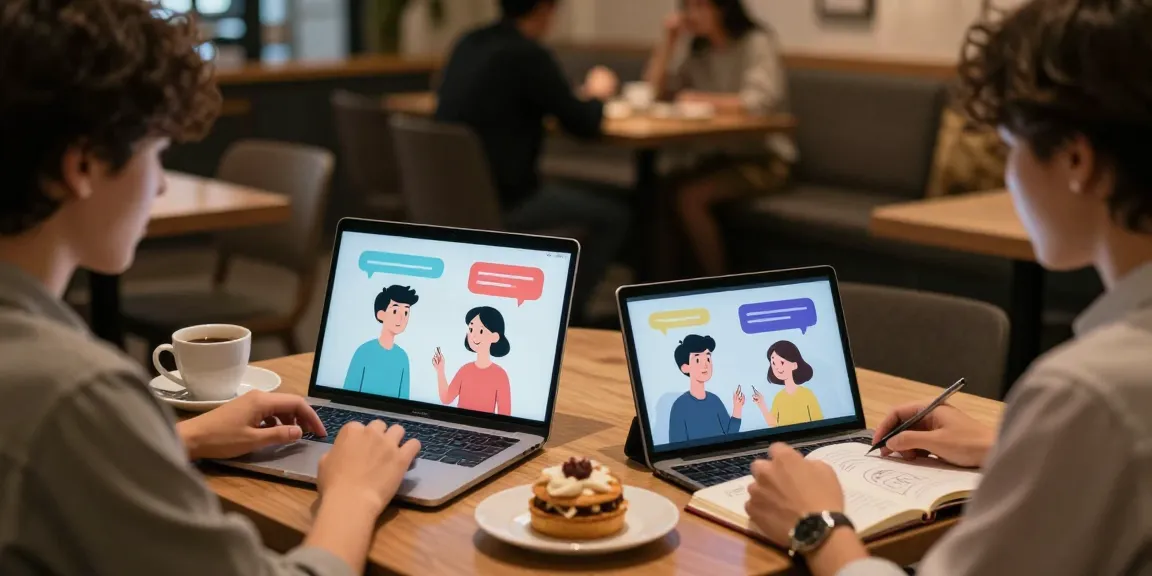
AI can facilitate collaboration among artists by providing a shared platform for generating ideas. Multiple artists can input their concepts into AI tools, generating a collective artwork that reflects their combined visions. This collaborative approach can enhance creativity and lead to innovative art pieces.
Analyzing AI Art Outputs for Improvement
To continuously improve your use of AI in art creation, regular analysis of the generated outputs is essential. Identify what works and what doesn’t, focusing on aspects such as color, composition, and style. Understanding these elements will allow you to refine your prompts and achieve better results over time.
Future Trends in AI and Concept Art
The realm of AI art generation is constantly evolving. As technology advances, so too will the capabilities of AI tools, leading to exciting new opportunities for artists.
Emerging Technologies Shaping Art Creation
Look out for developments in machine learning and neural networks that could enhance AI's ability to create even more realistic and compelling artwork. Additionally, integration with virtual and augmented reality could revolutionize how artists collaborate and present their work in immersive environments.
How AI Will Influence Artistic Expression in 2026
As we move closer to 2026, AI is expected to play an even more significant role in artistic expression. We may see a greater emphasis on personalization in AI outputs, allowing artists to create more tailored works that resonate with specific audiences. Furthermore, the dialogue around AI-generated content and its place in art history will continue to be a focal point.
Preparing for the Next Generation of AI Art Tools
To stay ahead in the evolving landscape of AI and art, artists should remain adaptable and open to learning about new tools and technologies. Engaging with online communities and participating in discussions about AI art can provide valuable insights into what lies ahead.
What are the best AI concept art generators?
Some of the leading AI concept art generators include Midjourney, DALL-E, and Adobe Firefly, each offering unique features and outputs. Research and test various options to find the best fit for your artistic needs.
How does AI influence traditional art techniques?
AI can complement traditional art techniques by offering alternative methods for creating concepts and providing inspiration. Artists can incorporate AI-generated elements into their workflow, blending digital and traditional mediums.
Can AI art be considered original work?
The originality of AI-generated artworks is a complex issue, often depending on the input provided by the artist. While AI can synthesize new works, the creative direction and intent behind the input play critical roles in determining originality.
Are there legal issues with AI-generated art?
Yes, legal concerns surrounding AI-generated art include copyright and ownership rights. Artists must navigate these issues carefully to ensure compliance with existing laws and protect their work.
What skills should artists develop alongside using AI?
Artists should focus on enhancing their creative vision, design thinking, and critical analysis skills. Familiarity with technology and an understanding of AI tools will be beneficial in leveraging these technologies effectively in their artistic endeavors.