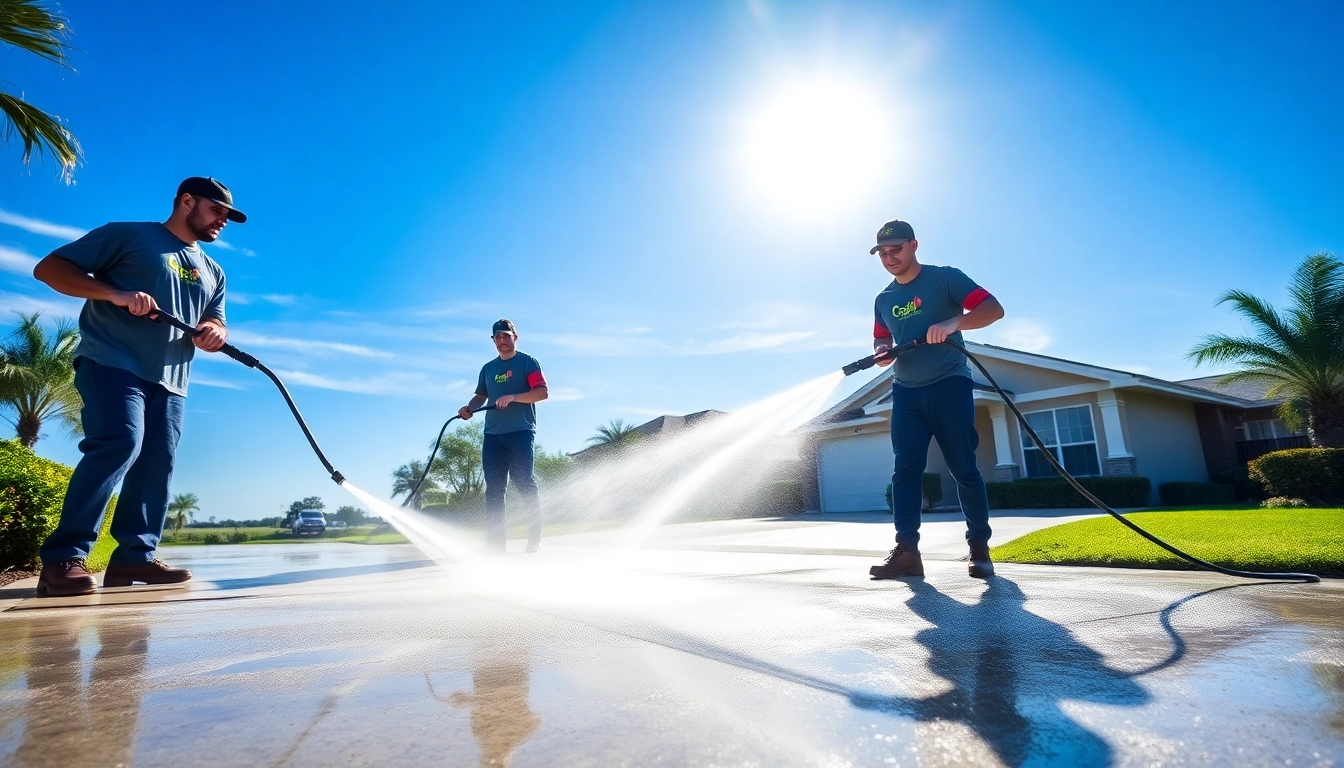
Understanding Concrete Cleaning Techniques
Concrete cleaning is an essential maintenance task for both residential and commercial properties. Whether it's driveways, patios, or commercial walkways, a clean concrete surface not only enhances curb appeal but also prolongs the lifespan of the concrete itself. Various cleaning methods can be employed, from basic scrubbing to advanced pressure washing techniques. As homeowners and business owners alike become more aware of the importance of maintaining their outdoor spaces, the demand for effective concrete cleaning solutions continues to grow.
What is Concrete Cleaning?
Concrete cleaning entails the removal of dirt, stains, mold, and other contaminants from concrete surfaces. This process is crucial for maintaining the aesthetics and integrity of concrete, particularly in areas subjected to heavy foot traffic or harsh environmental conditions. It involves various techniques and tools tailored to tackle different types of stains and surfaces effectively.
Tools and Equipment for Effective Concrete Cleaning
Achieving optimal results in concrete cleaning requires the right tools and equipment. Some essential tools include:
- Pressure Washers: Ideal for heavy-duty cleaning, these machines use high-pressure water to remove dirt and grime with minimal effort.
- Surface Cleaners: Attachments for pressure washers that allow for even cleaning across wide concrete areas.
- Scrub Brushes: Used for manual cleaning, especially for small areas or tough stains.
- Cleansing Agents: Eco-friendly detergents specifically formulated for concrete to help break down stains.
Choosing the Right Cleaning Method: Pressure vs. Soft Washing
Selecting between pressure washing and soft washing largely depends on the condition of the concrete and the types of stains present. Pressure washing uses high-pressure water jets to remove stubborn stains, making it effective for grease, oil, and deep-set grime. In contrast, soft washing employs low pressure combined with specialized detergents, making it ideal for cleaning mold and algae without damaging the surface.
The Importance of Regular Concrete Maintenance
Regular maintenance of concrete surfaces is paramount. Many homeowners underestimate the need for upkeep, leading to long-term damage that can be costly to repair. Concrete is porous and can trap dirt, oil, and organic matter, which can degrade its appearance and structure over time.
Benefits of Concrete Cleaning for Homeowners
- Enhanced Curb Appeal: Clean concrete surfaces significantly improve the overall look of a property, making it more inviting to visitors.
- Increased Longevity: Regular cleaning helps prevent the deterioration of concrete surfaces, extending their lifespan.
- Safety: Removing mold and algae reduces the risk of slips and falls, especially in outdoor areas.
How Often Should You Clean Your Concrete?
The frequency of concrete cleaning depends on several factors, including location, weather conditions, and usage. Generally, it is recommended to clean residential concrete surfaces at least once a year. However, high-traffic areas or those prone to staining may require more frequent attention.
Signs Your Concrete Needs Immediate Attention
Homeowners should be vigilant for signs that their concrete requires cleaning. These signs include:
- Visible stains or discoloration.
- Presence of mold and mildew.
- Accumulation of dirt or grime in textured areas.
- Green or black patches that indicate algae growth.
Common Challenges in Concrete Cleaning
While concrete cleaning is essential, it comes with its challenges. Knowing these challenges can better prepare you for effective cleaning interventions.
Dealing with Stubborn Stains
Stubborn stains, such as oil or rust, can pose significant challenges during cleaning. Specialized concrete cleaners or solvents can be necessary for these tough marks, and sometimes, manual scrubbing may be required to achieve the desired results.
Preventing Damage during the Cleaning Process
One of the primary concerns during concrete cleaning is avoiding damage to the surface. High-pressure washing can erode concrete if not done correctly. It's crucial to adjust the pressure settings and use appropriate attachments to prevent surface damage.
Mold and Mildew: A Persistent Problem
Mold and mildew thrive in damp conditions and can be particularly challenging to eliminate entirely. Utilizing eco-friendly cleaning solutions that target mold spores can help in their effective removal, but regular maintenance is key to preventing re-growth.
Best Practices for Professional Concrete Cleaning
For best results, whether you are a homeowner or a professional, adhering to recognized cleaning practices is vital. Knowing and applying these best practices can save time and enhance the cleaning process.
Safety Measures for Pressure Washing
Using high-pressure washing equipment poses safety risks, including personal injury from flying debris or slips. Always wear protective gear, including gloves, goggles, and non-slip footwear, and ensure the work area is clear before you begin.
Eco-Friendly Cleaning Solutions
More homeowners are seeking eco-friendly solutions for their cleaning needs. Using biodegradable detergents and water reclamation systems can minimize environmental impact while effectively cleaning concrete surfaces.
Time-Saving Techniques for Efficient Cleaning
To expedite the concrete cleaning process, consider employing techniques such as:
- Pre-treatment: Applying a cleaning solution before pressure washing allows stains to loosen.
- Two-Person Teams: Working in pairs can increase efficiency, with one person focused on the washing and the other on monitoring and adjusting settings.
- Scheduling Regular Maintenance: Establishing a cleaning schedule can help maintain cleanliness and reduce the time needed for deep cleaning.
Future Trends in Concrete Cleaning for 2025 and Beyond
As technology advances, the field of concrete cleaning is set to evolve significantly. Staying informed about these trends can provide homeowners and businesses with valuable insights into future cleaning practices.
Innovative Cleaning Technologies on the Horizon
Emerging technologies, such as robotic cleaners and advanced chemical solutions, are expected to revolutionize how concrete surfaces are maintained. These innovations aim to increase efficiency and enhance cleaning outcomes.
The Role of Automation in Concrete Maintenance
Automation in cleaning processes, such as automated cleaning machines, will become more prevalent. These innovations promise to take the labor out of concrete maintenance, making cleaning more convenient for property owners.
Predictions for Eco-Conscious Cleaning Practices
With increasing awareness around environmental concerns, eco-efficient cleaning methods are likely to dominate the market. Expect to see a rise in the adoption of water-saving technologies, biodegradable cleaning agents, and sustainable cleaning practices.