Understanding Electric Chain Hoist Cranes
Electric chain hoist cranes are pivotal in the industrial landscape, providing efficient and reliable lifting solutions for a myriad of applications. These versatile machines combine the mechanical advantages of traditional chain hoists with the power of electric motors, allowing industries to lift heavy loads with minimal physical effort. When exploring options, electric chain hoist crane systems offer comprehensive insights into modern lifting technology and its benefits.
What is an Electric Chain Hoist Crane?
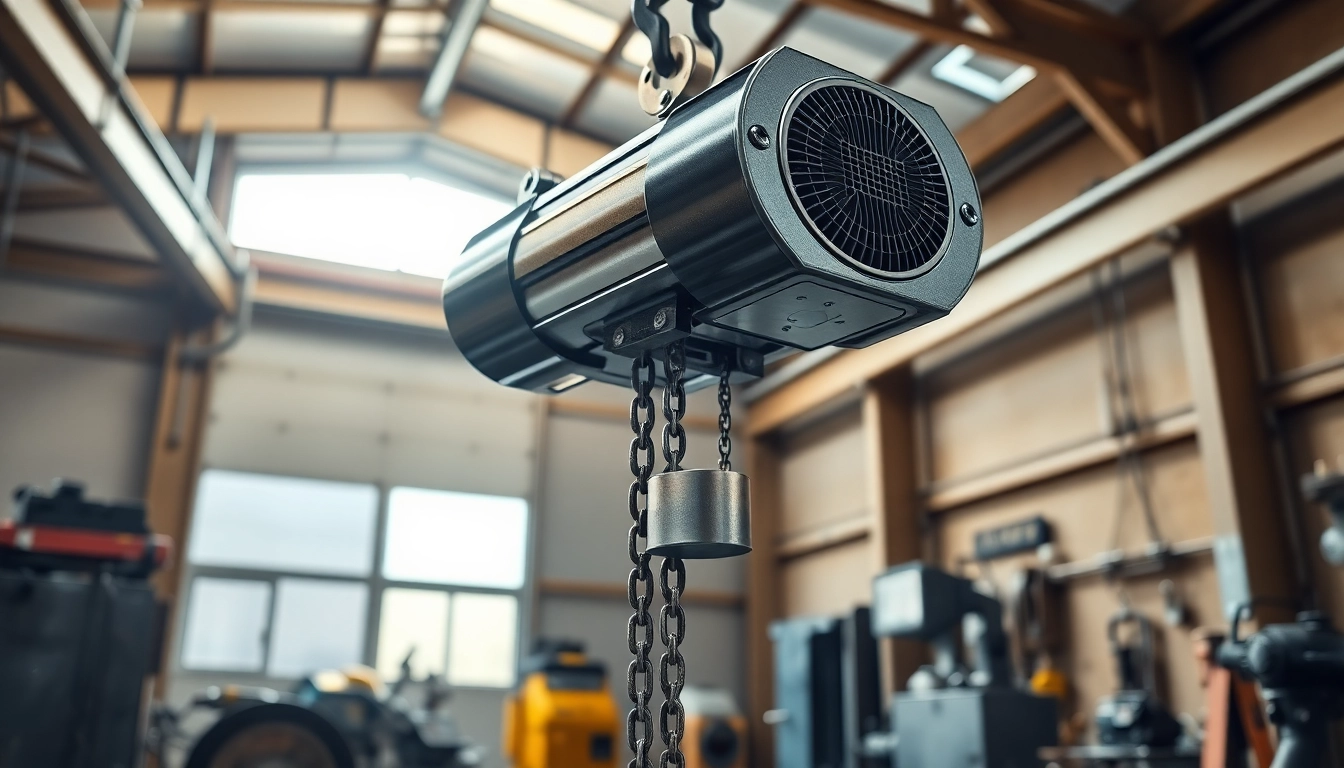
An electric chain hoist crane is a type of lifting device that employs a motorized chain to lift and lower heavy materials. Unlike manual chain hoists that require physical labor, electric chain hoists automate the lifting process, significantly enhancing efficiency and safety in workplaces. These cranes are integral to various industries, including construction, manufacturing, and warehousing, where they facilitate the movement of heavy items quickly and accurately.
Key Components of Electric Chain Hoists
Understanding the key components of electric chain hoists is essential for selecting the right equipment for specific applications. The main parts include:
- Motor: The heart of the hoist, providing the necessary power to lift loads.
- Chain: A robust, durable chain designed to support significant weight, typically made from high-strength steel.
- Hook: Used to secure the load; it comes with various safety features to prevent accidental detachment during lifting.
- Control System: This includes a pendant control or remote control for operating the hoist safely from a distance.
- Gearbox: Responsible for translating motor power into lifting force, allowing for controlled movement.
Applications in Various Industries
Electric chain hoists are prevalent across numerous sectors due to their versatility and efficiency. Some common applications include:
- Construction: Transporting heavy materials like steel beams and concrete forms.
- Manufacturing: Assisting in assembly lines for lifting components into place.
- Warehousing: Facilitating the movement of pallets and bulk materials within storage facilities.
- Maintenance: Providing lifting solutions for repair and maintenance activities in industrial settings.
Benefits of Using Electric Chain Hoist Cranes
Efficiency and Time Savings
One of the primary advantages of electric chain hoist cranes is their efficiency. By automating the lifting process, these hoists drastically reduce the time required to complete tasks. Workers can focus on other essential duties, increasing overall productivity. For instance, in a manufacturing setting, an electric chain hoist can move materials swiftly, allowing for faster assembly times and reducing downtime.
Enhanced Safety Features
Safety is paramount in any industrial operation, and electric chain hoists are designed with numerous safety features. These may include overload protection systems, automatic brakes, and emergency stop functions that enhance operational safety. By minimizing the risk of accidents associated with manual lifting, businesses can create a safer working environment, thereby reducing the potential for injury and liability.
Cost-Effectiveness for Businesses
Investing in electric chain hoist cranes can lead to long-term cost savings for businesses. Although the initial investment may be higher compared to manual alternatives, the increased efficiency, reduced labor costs, and enhanced safety features contribute to a lower total cost of ownership. Furthermore, electric chain hoists typically require less maintenance than their manual counterparts, resulting in further savings over time.
Choosing the Right Electric Chain Hoist Crane
Factors to Consider When Selecting a Crane
When choosing an electric chain hoist crane, several factors need to be evaluated to ensure optimal performance and safety:
- Load Capacity: Determine the maximum weight you need to lift and select a hoist that can safely handle it.
- Lifting Height: Assess the required lifting height to ensure the hoist meets your operational needs.
- Power Source: Consider whether you prefer a model powered by electricity, battery, or compressed air.
- Durability: Look for models constructed from high-quality materials designed to withstand specific operational environments.
Load Capacity and Lifting Height
Understanding the load capacity and lifting height is crucial when selecting an electric chain hoist. Most models are available in various load capacities, typically ranging from 1/8 ton to several tons, allowing for a wide range of industrial applications. Additionally, lifting height can vary significantly, making it essential to match these specifications with the specific needs of your operational environment.
Comparing Models and Brands
With numerous manufacturers offering electric chain hoists, it is vital to compare models and brands based on reliability, performance, and warranty. Reputable brands often provide detailed specifications, customer support, and maintenance resources. Reading user reviews and seeking recommendations from industry peers can also provide insights into the best options for your needs.
Installation and Maintenance Best Practices
Step-by-Step Crane Installation Guide
Installing an electric chain hoist crane involves several critical steps to ensure safe and effective operation. A general installation procedure includes:
- Choose an appropriate location with adequate support structures.
- Verify electrical connections and ensure they meet local codes.
- Mount the hoist securely to avoid any movement during operation.
- Test the hoist without a load to ensure everything functions correctly.
- Conduct a load test to verify performance under maximum capacity.
Routine Maintenance Tips for Longevity
Regular maintenance is essential to extend the lifespan of electric chain hoists. Follow these tips for optimal performance:
- Inspect the chain for wear and tear regularly, replacing it as needed.
- Lubricate moving parts to prevent friction and prolong the hoist's operational life.
- Check electrical connections for signs of wear or corrosion.
- Perform routine checks of safety features to ensure they function correctly.
Common Issues and Troubleshooting
Despite their reliability, electric chain hoists may encounter issues. Common problems include:
- Overheating: This may result from prolonged use or insufficient ventilation. Allow the hoist to cool down before resuming operation.
- Inconsistent Lifting: This could be a sign of a malfunctioning motor or electrical issues. Inspect connections and replace faulty components.
- Chain Slippage: Ensure the chain is properly adjusted and free from obstructions.
Future Trends and Innovations in Electric Chain Hoists
Emerging Technologies for 2025
As industries evolve, so too do the technologies behind electric chain hoists. Emerging trends include enhanced automation and remote control capabilities, allowing operators to manage hoists from a distance. Additionally, integration with IoT (Internet of Things) technologies is set to revolutionize how hoists are monitored and maintained, providing real-time data on performance and safety metrics.
Smart Cranes and Automation
Future electric chain hoists will likely feature advanced smart technologies, enabling features such as self-diagnostics and predictive maintenance. These innovations will assist operators in anticipating issues before they arise, reducing downtime and enhancing overall efficiency. Moreover, automated hoists may become standard, minimizing manual labor and further optimizing productivity in industrial settings.
Green Practices in Crane Manufacturing
Environmental sustainability is becoming increasingly important in all sectors, including crane manufacturing. Innovations are being made toward greener production methods and energy-efficient designs that reduce carbon footprints. The trend toward electric and hybrid hoists will likely grow, promoting environmentally friendly practices while maintaining high performance and safety standards.