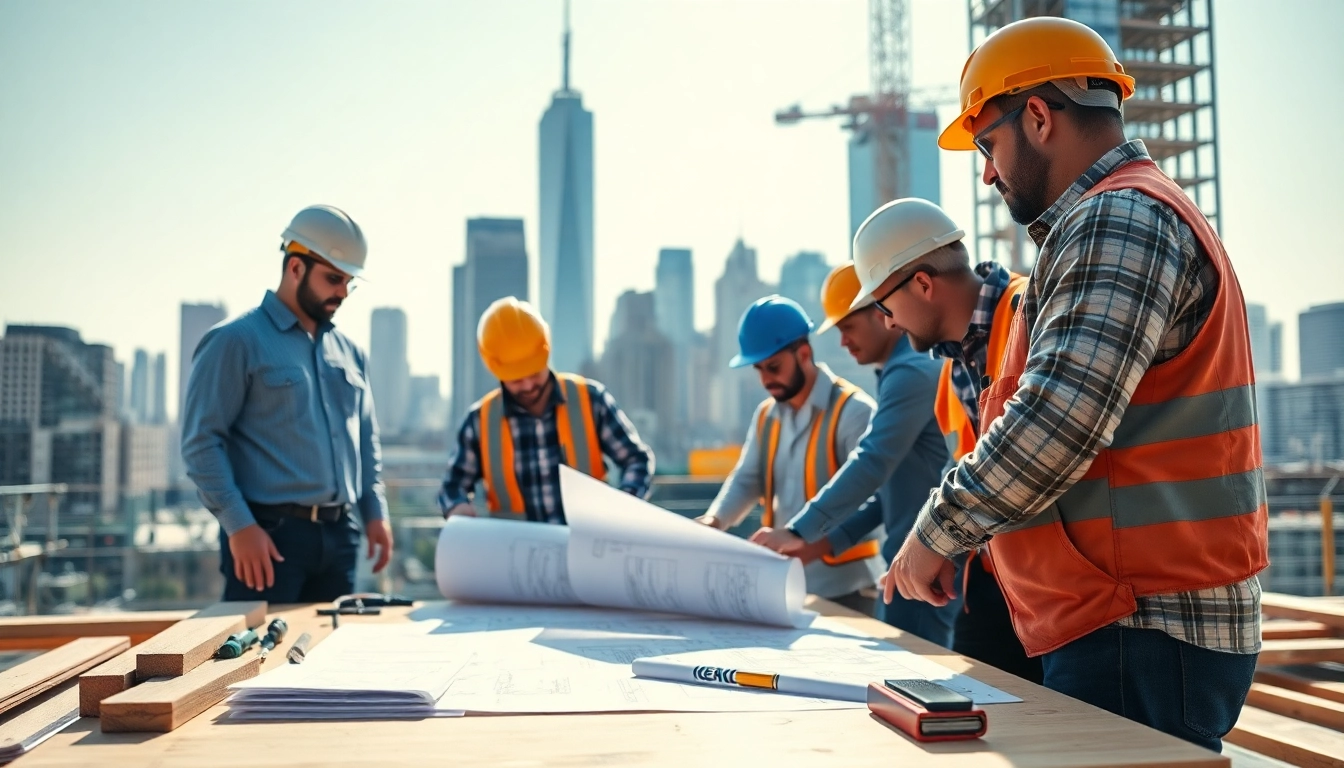
Understanding the Role of a New York Commercial General Contractor
The construction landscape in New York is as dynamic as the city itself, with a myriad of projects ranging from towering skyscrapers to intimate office renovations. In this bustling environment, the function of a commercial general contractor emerges as crucial. These professionals act as the backbone of construction projects, ensuring that every element is executed seamlessly. This guide delves into the multifaceted role of a New York Commercial General Contractor, clarifying their responsibilities, services, and the substantial impact they can have on project outcomes.
Definition and Key Responsibilities
A commercial general contractor oversees the entire construction process for commercial projects, from the initial planning phase through to the finishing touches. Their responsibilities can be grouped into several key areas:
- Project Management: Coordinating all aspects of a project, from scheduling and budgeting to resource allocation.
- Subcontractor Management: Hiring and supervising subcontractors who specialize in specific tasks, such as electrical work or plumbing.
- Site Supervision: Ensuring that construction is progressing according to plan and that safety regulations are adhered to on-site.
- Client Communication: Acting as the primary point of contact between clients and the construction team, ensuring that expectations are met.
Project Phases Managed by Contractors
Understanding the phases of a construction project is integral to appreciating the contractor's role. Here’s a brief overview of the typical phases:
- Pre-Construction: Involves planning, budgeting, and permitting. It's where the vision starts taking shape.
- Construction: The physical building process, where the plans turn into reality. This phase requires constant oversight and adjustment to ensure timelines and quality standards are met.
- Post-Construction: After the project completion, contractors often assist with inspections, final payments, and any necessary adjustments or repairs.
Importance of Local Knowledge
In a metropolis like New York, local knowledge is indispensable. A knowledgeable contractor understands the city's unique regulations, permits, and the various challenges that may arise during construction. Their familiarity with local suppliers and subcontractors often results in smoother operations and potentially lower costs due to established relationships.
How to Select the Right New York Commercial General Contractor
Choosing the right general contractor can make or break a commercial construction project. Here are essential criteria to guide your selection process.
Evaluating Credentials and Experience
Start by reviewing the contractor's credentials, including licensing, insurance, and bonding. Experience is another key factor; a contractor with a robust portfolio showcasing previous projects similar in scope and style will better understand the nuances of your project. Don't hesitate to ask about their past projects and successes, as this can provide insight into their capabilities.
Reviewing Client Testimonials and Case Studies
Client testimonials and case studies offer a glimpse into how a contractor operates. While reviews on websites are helpful, consider requesting direct references to speak with past clients. Ask about their experiences, satisfaction levels, and any challenges encountered during the project. This firsthand feedback can be invaluable in evaluating how the contractor navigates real-world conditions.
Assessing Communication and Collaboration
Effective communication is vital throughout the construction process. During initial meetings, assess how well the contractor listens to your ideas and concerns. Do they provide clear explanations of processes and timelines? Their ability to collaborate with your team and other stakeholders can significantly impact project success and overall satisfaction.
Key Services Offered by New York Commercial General Contractors
A general contractor's service offerings can greatly influence your project's efficiency and quality. Here are some essential services to expect:
Construction Management Expertise
Many commercial general contractors provide construction management services, overseeing every aspect from start to finish. They employ best practices in project management to keep everything on schedule and within budget, mitigating risks and ensuring quality standards are maintained.
Design-Build Services
Design-build is a streamlined approach where a single entity is responsible for both design and construction. This can lead to enhanced collaboration, reduced costs, and improved project timelines, as the contractor integrates the design process with construction from the outset.
Renovation and Remodeling Capabilities
Many businesses in New York require renovation rather than new construction. Skilled commercial general contractors have the expertise to transform existing spaces to meet current needs while adhering to the original structures and safety regulations.
Common Challenges in Commercial Construction Projects
Even with careful planning, challenges can arise during a construction project. Here are some prevalent issues and strategies to manage them effectively:
Budget Management and Unexpected Costs
Cost overruns are a common concern in construction projects. To combat this, a detailed budget must be established, with contingencies accounted for unexpected expenses. Regular budget reviews and open communication regarding financial matters help mitigate these risks.
Timeline Delays and Scheduling Conflicts
Delays can result from weather conditions, material shortages, or subcontractor scheduling conflicts. Establishing a realistic timeline that includes buffer periods and being proactive about scheduling can help minimize the impact of these delays.
Regulatory and Compliance Issues
New York's stringent regulations can sometimes complicate the building process. Engaging a contractor who is well-versed in local compliance requirements is crucial. They should handle all necessary permits and ensure that all work adheres to city standards, thereby reducing the risk of legal complications.
Measuring Success: Metrics for Evaluating Your Project
Once the project is completed, it's vital to evaluate its success against defined metrics. This assessment helps in understanding the effectiveness of the undertaken strategies and the overall project execution.
Quality of Work and Client Satisfaction
Assessing the quality of the completed work should be based on industry standards and client expectations. Gathering client feedback regarding their satisfaction level can guide how well the contractor managed to fulfill the project's objectives.
Post-Project Performance Reviews
After project completion, conducting a performance review helps identify areas for improvement. Analyzing the strengths and weaknesses of the project can provide valuable insights for future endeavors.
Long-Term Value and Return on Investment
Finally, calculating the long-term value of the project in terms of efficiency, longevity, and overall ROI is critical. A successful project should not only meet immediate needs but also contribute positively to the business's growth and objectives over time.