1. Understanding the Ice Maker Basics
1.1 What is an Ice Maker?
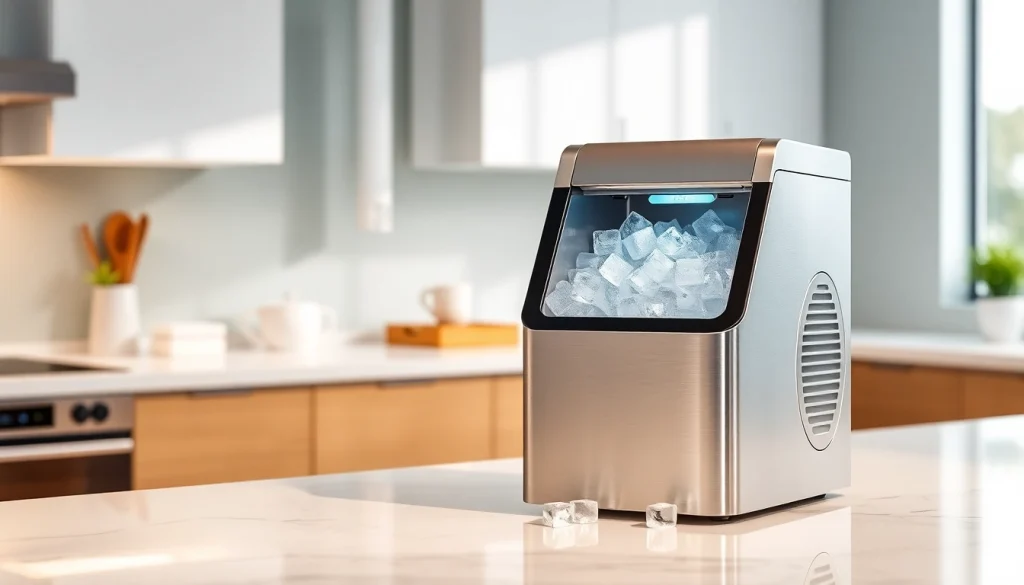
An ice maker is a convenient appliance designed to produce ice automatically. Unlike traditional methods that require manual filling of trays, an ice maker streamlines the process, ensuring a steady supply of ice when you need it. Whether for entertaining guests or simply keeping your drinks cold, having an ice maker can enhance the convenience and efficiency of home beverage preparation.
1.2 Types of Ice Makers Available
Ice makers can be classified into various types based on their design and functionality, including:
- Countertop Ice Makers: These compact, portable units are easy to use and often found in homes, RVs, and small offices.
- Built-in Ice Makers: Integrated within kitchen cabinetry, these machines are designed for long-term use, typically having higher output capacities.
- Commercial Ice Makers: Designed for restaurant or bar use, they produce large volumes of ice and often offer multiple ice types.
- Nugget Ice Makers: These machines create soft, chewable ice that is particularly popular at restaurants and for home use.
1.3 Key Features to Look For
When choosing an ice maker, consider features that enhance usability and performance:
- Production Capacity: Depending on your needs, check how many pounds of ice the machine can make in a day.
- Size and Portability: Compact models are perfect for limited spaces or for taking on trips, while larger machines are suited for heavy usage.
- Ice Type: Different makers produce varying shapes and textures of ice; determine what’s best for your beverages.
- Self-Cleaning Function: This feature saves time and effort in maintenance.
- Energy Efficiency: Look for models with high efficiency ratings to reduce electricity consumption.
2. Benefits of Owning an Ice Maker
2.1 Convenience for Home Entertaining
Owning an ice maker significantly simplifies hosting duties. You can easily serve drinks without the hassle of filling trays or running out of ice during parties. This convenience allows for seamless entertaining, letting you enjoy the time with your guests instead of worrying about replenishing ice supplies.
2.2 Cost-Effectiveness and Savings
While the initial investment in an ice maker may seem high, it can lead to long-term savings. With your own ice production, you reduce trips to the store for purchased ice, which often adds up over time. Furthermore, you eliminate the need for traditional ice trays, making ice availability consistent.
2.3 Varieties of Ice Cubes for Different Drinks
Different drink types often benefit from specific ice shapes. For instance, cocktails may taste better with larger cubes, while soft, chewable ice is perfect for sodas and iced coffees. An ice maker can cater to all these needs, ensuring that your beverages are served optimally.
3. How to Choose the Right Ice Maker
3.1 Assessing Your Ice Needs
Identifying how much ice you typically consume can help you select the right machine. For casual users, a compact countertop model might suffice, while those hosting frequent gatherings may require a commercial-grade ice maker. Evaluate your habits to avoid under or over-purchasing.
3.2 Size and Portability Considerations
Consider where you plan to position the ice maker. If space is limited, opt for a portable unit that can be easily stored away when not in use. Larger, built-in models provide a consistent output but require designated installation space.
3.3 Evaluating Energy Efficiency Ratings
Choosing energy-efficient models may incur a higher upfront cost but will save you money on utility bills in the long run. Look for units with ENERGY STAR certifications, which indicate adherence to energy-saving guidelines.
4. Installation and Maintenance Tips
4.1 Proper Installation Guidelines
When installing your ice maker, ensure it’s positioned on a level surface for optimal function. Connect it to a water line if required, and make sure there’s a suitable drainage system in place. Follow manufacturer guidelines to avoid warranty issues.
4.2 Regular Maintenance Practices
Routine maintenance includes periodic cleaning of the water reservoir and the interiors of the machine. Most models will require descaling every few months to ensure continued performance. Consult the user manual for specific cleaning instructions and schedules.
4.3 Troubleshooting Common Issues
If the ice maker fails to produce ice, check for issues such as a clogged water line, insufficient water supply, or a malfunctioning compressor. Many problems can be resolved with simple troubleshooting or by resetting the machine. Reference the user manual for guidance on diagnostics.
5. Frequently Asked Questions
5.1 Is it worth buying an ice maker?
Purchasing an ice maker can be a valuable investment, especially for households that entertain frequently. It saves you trips to the store for ice and provides consistent access to ice for gatherings or daily use.
5.2 How much ice can an ice maker produce?
Production varies significantly across models. Most residential ice makers produce between 20 to 40 pounds of ice per day, while commercial models can create upwards of 100 pounds, tailored to meet higher demands.
5.3 What maintenance does an ice maker require?
Regular maintenance involves cleaning the water reservoir, checking for clogs, and descaling to prevent mineral buildup. Following the manufacturer’s recommendations will ensure your ice maker operates efficiently.
5.4 Can ice makers be used outdoors?
Some models are designed specifically for outdoor use and are more durable against the elements. Check the specifications to see if an ice maker is rated for outdoor conditions.
5.5 What types of ice can I make?
Different ice makers produce various types of ice, including nugget, cube, and flake ice. Choose a model that accommodates your preferences, particularly if you like specific ice types for different beverages.