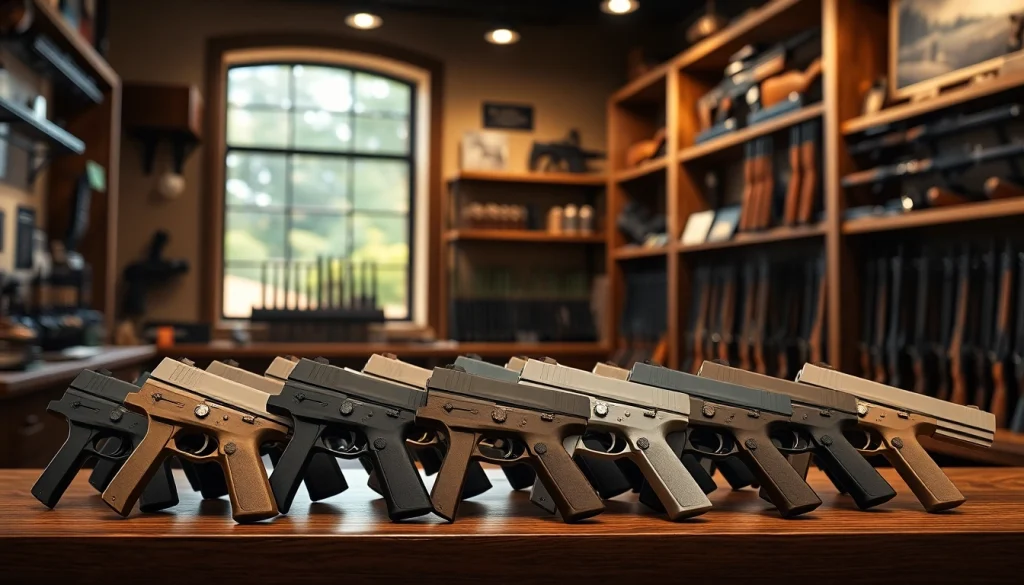
Understanding Forced Reset Triggers
What is a Forced Reset Trigger?
A forced reset trigger is a specialized firearm trigger mechanism that automatically resets itself after each shot is fired. This function allows the shooter to achieve quicker follow-up shots without the typical pull and release sequence found in standard triggers. Designed for enhanced speed, these triggers can significantly improve a shooter’s pace, particularly in competitive shooting scenarios.
How Does a Forced Reset Trigger Work?
The mechanism behind a forced reset trigger involves unique engineering that differentiates it from traditional trigger systems. When the firearm is discharged, the action of the bolt cycling and the release of the trigger mechanism automatically resets the trigger. This allows the shooter to apply another shot with minimal additional physical input. Understanding this mechanism is crucial for anyone looking to utilize such a device effectively.
Benefits of Using Forced Reset Triggers
Adopting a forced reset trigger offers numerous advantages. Shooters often experience improved shooting speed, enabling faster target engagement. This is particularly beneficial in competitive environments where every fraction of a second counts. Additionally, these triggers can contribute to a more fluid shooting experience, as they reduce the manual reset action required between shots. Many users also report enhanced control and accuracy, as the rapid firing capability allows for better follow-up shots on target.
Types of Forced Reset Triggers
Common Variations Available
Forced reset triggers come in various models, each tailored to specific firearm types. Some of the most prevalent versions are designed for AR-15 platforms, while others cater to different semi-automatic rifles or handguns. Understanding these variations is essential for selecting the right trigger that meets your needs. Each type is engineered to maintain reliability and consistency under various firing conditions.
Materials and Design Features
The materials used in forced reset triggers are paramount to their functionality. High-grade alloys and polymers are commonly employed to ensure durability and lightweight performance. Furthermore, design features such as adjustable pull weight, precision machining, and corrosion resistance enhance the reliability of these triggers. It’s crucial for consumers to consider the construction of a forced reset trigger while browsing through options, as the right materials can significantly influence performance and longevity.
Performance Differences
Performance can vary significantly among different types of forced reset triggers. Factors influencing this include trigger pull weight, reset distance, and overall construction quality. Users might find that some triggers offer a lighter pull, allowing for faster shooting, while others may prioritize a more audible reset, aiding in training and familiarization. Evaluating these performance metrics can help prospective buyers align their choice with their specific shooting style and preferences.
Choosing the Right Forced Reset Trigger for Sale
Factors to Consider When Buying
When searching for a forced reset trigger for sale, consider various factors that impact suitability. First, think about the intended use—competition shooting may necessitate different specifications than casual practice. Next, assess trigger pull weight preferences and any desired features such as adjustability or added tactile feedback. Proper research can lead to informed purchases that suit individual shooter needs.
Compatibility with Firearms
Compatibility is a critical criterion when selecting a forced reset trigger. Not all triggers will fit every model of firearm. It is essential to check the specifications of the trigger in relation to your firearm model, including any necessary modifications. Many manufacturers provide compatibility guides, aiding customers in selecting appropriate options. Ensuring a perfect match will promote optimal performance and function in any shooting scenario.
Assessing Quality and Reliability
Quality indicators play a significant role in ensuring the reliability of forced reset triggers. Look for triggers that have undergone rigorous testing and have proven operational durability. User reviews and manufacturer reputation can provide valuable insights into the longevity and reliability of specific products. Investing in high-quality components is vital to enhance performance and ensure the safety of operations.
Installation and Maintenance
Installation Basics for Forced Reset Triggers
Installing a forced reset trigger generally requires an understanding of firearm assembly. Basic tools may include a punch, hammer, and specific driver bits. Before installation, always ensure the firearm is unloaded and safe. The process typically involves replacing the existing trigger mechanism, following the manufacturer’s instructions rigorously for optimal setup. While some users may prefer a professional installation, many find it manageable as a DIY project with the right guidance.
Routine Maintenance Tips
To maintain performance, regular cleaning and lubrication of the forced reset trigger is necessary. Users should inspect the trigger and surrounding components for dirt and residue that can affect functionality. Apply a small amount of lubricant to moving parts, ensuring no over-saturation occurs. Consistent maintenance not only prolongs trigger life but also ensures continued performance standards in firing situations.
Common Issues and Troubleshooting
In the usage of forced reset triggers, users may encounter issues such as failure to reset or misfires. Understanding troubleshooting steps is essential. If the trigger fails to reset, checking installation and ensuring proper engagement with the bolt carrier is vital. Always refer to the troubleshooting guide from the manufacturer for specific insights tailored to that trigger model. Identifying problems early can prevent further complications during use.
Frequently Asked Questions
How do I choose the right trigger?
Consider your firearm model, intended use, and personal preferences. Research different options to find a suitable match.
Are forced reset triggers legal?
Check your local and state laws, as regulations vary widely regarding forced reset triggers and other firearm modifications.
Can forced reset triggers improve accuracy?
Yes, they can enhance shooting speed and control, which may indirectly contribute to improved accuracy under certain conditions.
What maintenance do forced reset triggers need?
Routine cleaning and occasional lubrication can prolong the lifespan and performance of your forced reset trigger.
Where can I buy high-quality triggers?
Look for reputable firearm accessory retailers and online shops specializing in quality triggers for the best selection.
For those interested, you can find a selection of forced reset trigger for sale to explore various options that meet your needs.