
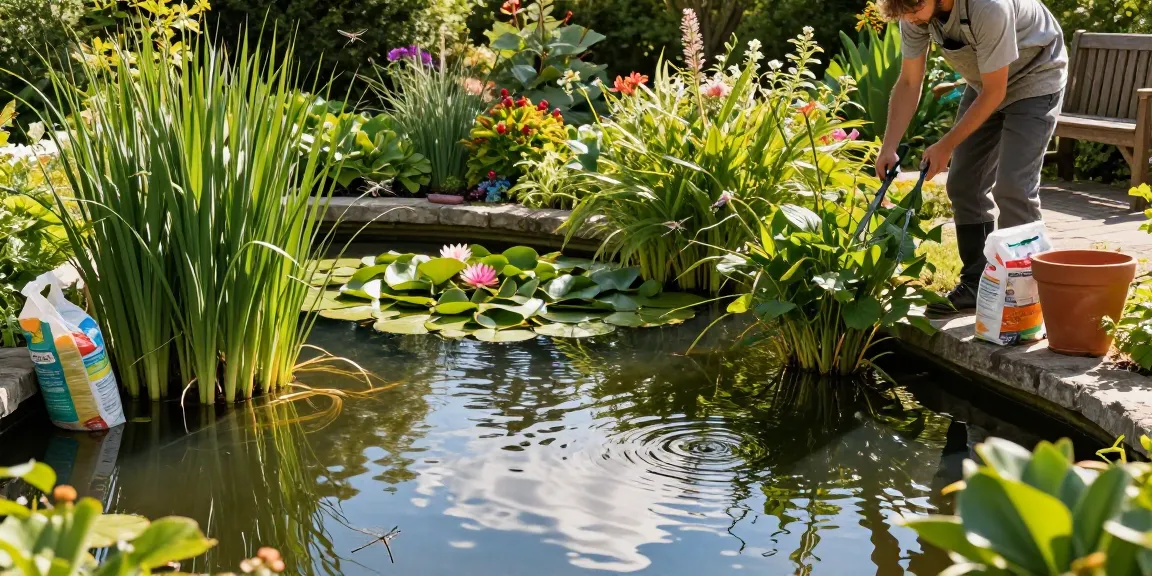
Understanding Marginal Pond Plants
Marginal pond plants are a vital component of aquatic ecosystems, serving both functional and aesthetic purposes. These plants thrive in the shallow areas of ponds, lakes, and wetlands, where they play a crucial role in maintaining water quality and providing habitat for various wildlife. When exploring options, Marginal Pond Plants can significantly enhance the overall health of your water garden, making them an essential choice for pond enthusiasts.
What Are Marginal Pond Plants?
Marginal pond plants are species that flourish at the water’s edge or in shallow waters. These plants generally grow in areas that are periodically submerged, allowing them to absorb nutrients and support local wildlife. Common examples include cattails, rushes, and water irises, which can adapt to various conditions and contribute to a thriving ecosystem. Marginal plants typically have root systems that stabilize the pond banks, prevent erosion, and filter pollutants from the water, enhancing its overall quality.
The Role of Marginal Pond Plants in Ecosystems
The presence of marginal pond plants is critical for ecosystem balance. These plants provide food and shelter for aquatic and terrestrial wildlife, including birds, amphibians, and beneficial insects. They assist in nutrient cycling by absorbing excess nutrients like nitrogen and phosphorus, which can otherwise lead to algal blooms. Moreover, marginal plants act as biofilters, helping to clarify water and improve its quality, thus fostering a healthier habitat for fish and other aquatic organisms.
Key Types of Marginal Pond Plants
- Cattails (Typha spp.) – Recognizable by their tall, slender stalks and characteristic brown flower spikes, cattails are excellent for erosion control and provide habitat for birds and insects.
- Water Lilies (Nymphaea spp.) – While primarily known for their floating leaves and beautiful blooms, water lilies also contribute to oxygenating water and providing shade for fish.
- Bulrushes (Schoenoplectus spp.) – These tall perennial plants are crucial for stabilizing shorelines and providing nesting areas for various wildlife.
- Marsh Marigold (Caltha palustris) – This early-spring bloomer adds vibrant color to the landscape and thrives in wet, marshy areas.
- Pickerelweed (Pontederia cordata) – Known for its beautiful spikes of purple flowers, this plant supports pollinators and provides cover for fish.
Benefits of Incorporating Marginal Pond Plants
Enhancing Water Quality and Clarity
One of the primary advantages of marginal pond plants is their ability to enhance water quality. By absorbing excess nutrients and preventing runoff pollution, these plants improve water clarity and reduce algal blooms. The oxygen they release during photosynthesis further supports aquatic life, ensuring a balanced ecosystem.
Supporting Wildlife and Biodiversity
Marginal pond plants create a rich habitat for various species. The dense foliage provides cover for fish and breeding grounds for amphibians, while attracting pollinators like bees and butterflies. Additionally, these plants can help mitigate the impact of climate change by supporting a diverse range of species and maintaining ecosystem resilience.
Improving Aesthetic Appeal of Water Gardens
Incorporating marginal pond plants into your landscape not only benefits the environment but also enhances the visual appeal of your water garden. Their vibrant colors and intricate forms add texture and depth, creating a picturesque setting that invites relaxation and enjoyment. Whether you prefer a naturalistic design or a more formal layout, these plants can be tailored to fit any aesthetic.
Challenges Faced in Cultivating Marginal Pond Plants
Common Pests and Diseases
Despite their robust nature, marginal pond plants can be susceptible to pests and diseases. Common issues include aphids, snails, and fungal infections. Regular monitoring and implementing integrated pest management strategies can help protect your plants while minimizing environmental impact.
Environmental Factors Affecting Growth
The growth of marginal pond plants can be influenced by various environmental factors, including water temperature, light availability, and soil moisture. Inadequate conditions may lead to stunted growth or plant loss, making it essential to choose species suited to your specific pond environment.
Misconceptions About Care and Maintenance
Many pond owners hold misconceptions about the care and maintenance of marginal pond plants. A common belief is that these plants require minimal care. While they are generally low-maintenance, periodic pruning and monitoring for pests are necessary to ensure healthy growth and vibrant blooms.
Best Practices for Planting and Maintenance
Choosing the Right Location for Marginal Pond Plants
Selecting an appropriate location is crucial for the success of marginal pond plants. Ideally, they should be placed in areas that receive adequate sunlight while ensuring sufficient depth for their root systems. Consideration of water flow and natural drainage patterns can also enhance plant health.
Optimal Soil and Water Conditions
Marginal pond plants thrive in nutrient-rich, moist soil. Conducting a soil test can help determine the best amendments needed to create optimal growing conditions. Additionally, maintaining water levels is vital, as too much or too little can negatively impact plant health.
Seasonal Care Techniques
Different seasons call for varied care techniques. In the spring, focus on planting and division, while summer may require more frequent watering and pest inspections. During fall, consider giving your plants a light trim, and in winter, protective measures against ice and harsh weather can support their longevity.
Future Trends in Water Gardening and Marginal Pond Plants
Evolving Design Aesthetics for 2026 and Beyond
As water gardening evolves, so do design aesthetics. In 2026 and beyond, there is a trend toward more naturalistic designs that emphasize biodiversity and ecological balance. Incorporating native marginal pond plants will be highlighted as a means to support local ecosystems and reduce maintenance efforts.
Innovative Techniques in Sustainable Gardening
Innovative practices such as permaculture and organic gardening principles are gaining traction in the water gardening community. These techniques promote the use of marginal pond plants for their ecological benefits while minimizing environmental impact through sustainable practices.
Predictions for Biodiversity Enhancements
Looking ahead, the integration of technology in gardening—such as smartphone apps for plant identification and care—is expected to aid enthusiasts in choosing the right marginal plants. This, combined with an emphasis on biodiversity, will likely encourage the cultivation of a varied range of plants that thrive in local environments.
What Are the Benefits of Marginal Pond Plants?
Marginal pond plants play a significant role in filtering water, providing habitat, and enhancing visual appeal. By incorporating these plants into your water garden, you not only support local ecosystems but also create a more aesthetically pleasing environment for yourself and wildlife.
How Do I Care for Marginal Pond Plants?
Caring for marginal pond plants involves monitoring water levels, ensuring appropriate soil conditions, and regularly checking for pests. Seasonal adjustments to care routines can also promote health and growth.
What Common Issues Should I Look for in Pond Plants?
Common issues include pest infestations, signs of nutrient deficiency, and rooting problems. Observing your plants regularly can help you catch and address these issues early.
Can Marginal Pond Plants Help Reduce Algal Blooms?
Yes, by absorbing excess nutrients and stabilizing the ecosystem, marginal pond plants can help reduce the conditions that lead to algal blooms, thereby improving overall water quality.
What Is the Best Time to Plant Marginal Pond Plants?
The best time to plant marginal pond plants is in the spring, as this allows them to establish before the heat of summer. However, some species can be planted in early fall in suitable climates.