
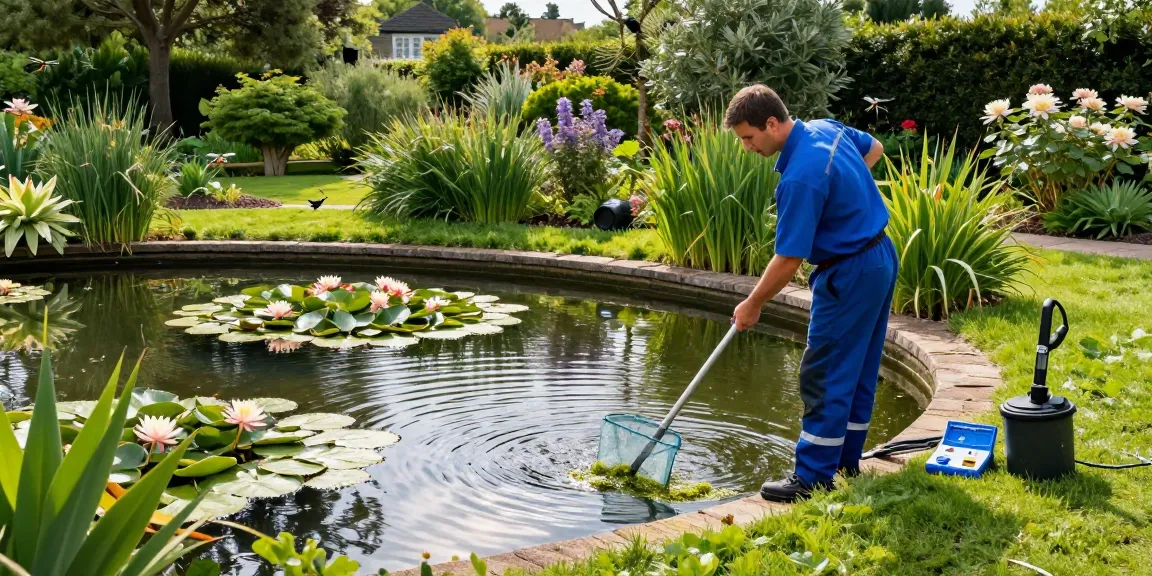
Understanding the Importance of Pond Cleaning Kent
Maintaining a beautiful and healthy pond environment involves more than just filling it with water and adding a few decorative plants. For pond owners in Kent, regular pond cleaning is crucial to ensuring the ecological balance, aesthetic appeal, and longevity of your water garden. Pond Cleaning Kent services offer expert assistance in this regard, helping you navigate the complexities of pond maintenance effectively.
Why Regular Pond Maintenance is Essential
Just like any other part of your home landscape, ponds require ongoing care to remain healthy. Regular maintenance can help:
- Prevent algae growth and control water clarity
- Maintain healthy fish populations
- Keep aquatic plants thriving
- Prevent the buildup of harmful bacteria and toxins
Implementing a regular cleaning schedule not only promotes the well-being of your pond but can also enhance the overall aesthetic of your garden space.
Common Issues in Untended Ponds
Many pond owners underestimate the importance of regular cleaning. An untended pond can quickly develop a range of problems, including:
- Algae Blooms: Excess nutrients in the water can lead to rapid algae growth, which can suffocate aquatic life.
- Debris Accumulation: Leaves and organic matter can accumulate, creating a breeding ground for unwanted pests.
- Poor Water Quality: Stagnant water can lead to high levels of bacteria, making it unsafe for both plants and animals.
Addressing these issues promptly is essential to maintaining a healthy ecosystem in your pond.
Benefits of Professional Pond Cleaning Services
Enlisting professional help for pond cleaning can offer numerous benefits:
- Expert Knowledge: Professionals understand the specific needs of your pond and can tailor their approach accordingly.
- Specialized Equipment: Access to high-quality tools and machinery can make the cleaning process more efficient.
- Time Savings: Letting experts handle the job allows you to focus on other activities while ensuring your pond is well cared for.
With their expertise, professional cleaners can address issues that a typical pond owner may overlook, leading to a healthier pond overall.
Step-by-Step Guide to Effective Pond Cleaning
Pond cleaning can be challenging, but it can also be rewarding if done correctly. Here’s a step-by-step guide to ensure your pond remains in peak condition.
Gathering the Right Tools and Equipment
Before you begin the cleaning process, ensure you have the necessary tools at hand. Essential items include:
- Pond net
- Submersible pump
- Water testing kits
- Algae scrapers
- Protective gloves and boots
Having the right tools will make the process smoother and more effective.
Preparing Your Pond for Cleaning
Preparation is key to a successful cleaning. Here’s how to set up:
- Remove Fish: Before cleaning, ensure to temporarily relocate your fish to a safe holding tank.
- Drain the Water: Use a pump to remove as much water as possible while leaving a small amount for your aquatic plants.
- Clear Debris: Manually remove leaves, twigs, and any other debris from the pond.
Proper preparation lays the foundation for thorough cleaning.
Executing the Cleaning Process Safely
Once prepared, it’s time to clean:
- Clean the Liner: Scrub down the pond liner to remove any algae or grime.
- Inspect Equipment: Check pumps and filters, ensuring they are functioning correctly.
- Refill the Pond: Add clean, conditioned water back into the pond gradually.
By following these steps, you can ensure a thorough and safe cleaning process.
Choosing the Right Pond Cleaning Service in Kent
Not all pond cleaning services are created equal. It’s essential to choose one that meets your specific needs. Consider the following factors when selecting a service provider:
What to Look for in a Professional Service
When evaluating potential cleaning services, look for:
- Experience and Expertise: Choose a provider with a proven track record in pond cleaning.
- Client Reviews: Check testimonials and reviews to gauge customer satisfaction.
- Comprehensive Services: Ensure they offer a full range of maintenance services beyond cleaning.
Questions to Ask Potential Service Providers
Don’t hesitate to ask potential pond cleaning services the following questions:
- What cleaning methods do you use?
- Do you offer guarantees on your work?
- Can you provide references from previous clients?
Asking these questions can help you find a reputable service provider.
Comparing Costs and Services
While cost is an important factor, consider it alongside the quality of services offered. Obtain quotes from multiple services but focus on their experience and what’s included in the package rather than just the price.
Maintaining Your Pond Between Cleanings
Once your pond is clean, regular upkeep is essential to keep it looking its best. Here are some tips for maintenance between professional cleanings.
Seasonal Maintenance Tips for Pond Owners
Different seasons require distinct care strategies:
- Spring: Remove debris and check for any winter damage.
- Summer: Monitor water levels and the health of aquatic plants.
- Autumn: Clean out fallen leaves and prepare fish for winter.
- Winter: Ensure pond is aerated to prevent freezing.
Best Practices for Water Quality Management
Regularly test your pond water using a quality water testing kit. Monitor for:
- pH levels
- Ammonia concentrations
- Nitrite and nitrate levels
Maintaining proper water quality is crucial for the health of your pond’s ecosystem.
Preventative Measures Against Algae Growth
Prevent algae growth by:
- Limiting nutrient run-off into your pond.
- Incorporating aquatic plants that consume excess nutrients.
- Using barley straw or other natural methods to deter algae.
These strategies can help keep your pond clear and healthy throughout the year.
Future Trends in Pond Care and Maintenance
The landscape of pond maintenance is evolving with new technologies and eco-friendly practices. Here are some trends to watch for in the coming years.
Innovative Tools and Techniques for Pond Cleaning
Advancements in technology are leading to more efficient pond maintenance tools, such as:
- Automated cleaning systems for routine upkeep
- Smart filtration systems for improved water quality
Keeping abreast of these innovations can save time and enhance pond health.
Eco-Friendly Practices in Pond Management
More pond owners are adopting green practices, including:
- Using native plants to promote biodiversity
- Employing organic materials for cleaning and maintenance
Such practices benefit both the pond ecosystem and the environment at large.
What to Expect in Pond Maintenance by 2026
As we look towards 2026, expect to see a rise in:
- Personalized pond care services tailored to individual needs
- Greater emphasis on sustainability and eco-friendliness
- Enhanced educational resources for pond owners
Staying informed about these trends can help you make the best decisions for your pond’s future.
What should I consider when cleaning my pond?
Consider factors such as the size of your pond, the types of plants and fish it contains, and the specific cleaning methods suitable for maintaining your pond’s ecosystem without causing harm.
How often should I clean my pond?
Generally, ponds should be cleaned at least once a year, although more frequent cleaning may be necessary for ponds with high fish populations or significant debris accumulation.
What tools do I need for pond cleaning?
Essential tools typically include a pond net, submersible pump, algae scrapers, and protective gear. Each pond’s unique needs may require additional specialized tools.
Can pond cleaning services improve water quality?
Yes, professional pond cleaning services enhance water quality by removing debris, controlling algae, and ensuring that the pond’s filtration system operates efficiently.
What are the signs that my pond requires cleaning?
Signs include murky water, a strong odor, visible algae growth, and an overabundance of debris or organic material at the bottom of the pond.